Knitting Books – What was I thinking duo?

Ocean Breeze - Silk Knits

Ocean Breeze – Silk Knits

I was going to do each of these books separately, but a quick review of each made me realize that these are just a couple of books of patterns. I’m disposed to dislike books that are just patterns put together in some form to create a book. I have lots of magazines that full of patterns, but lets not go there. Once I get a handle on my books, magazines might be next.

Are these books staying on my shelf? Thumbs Down.

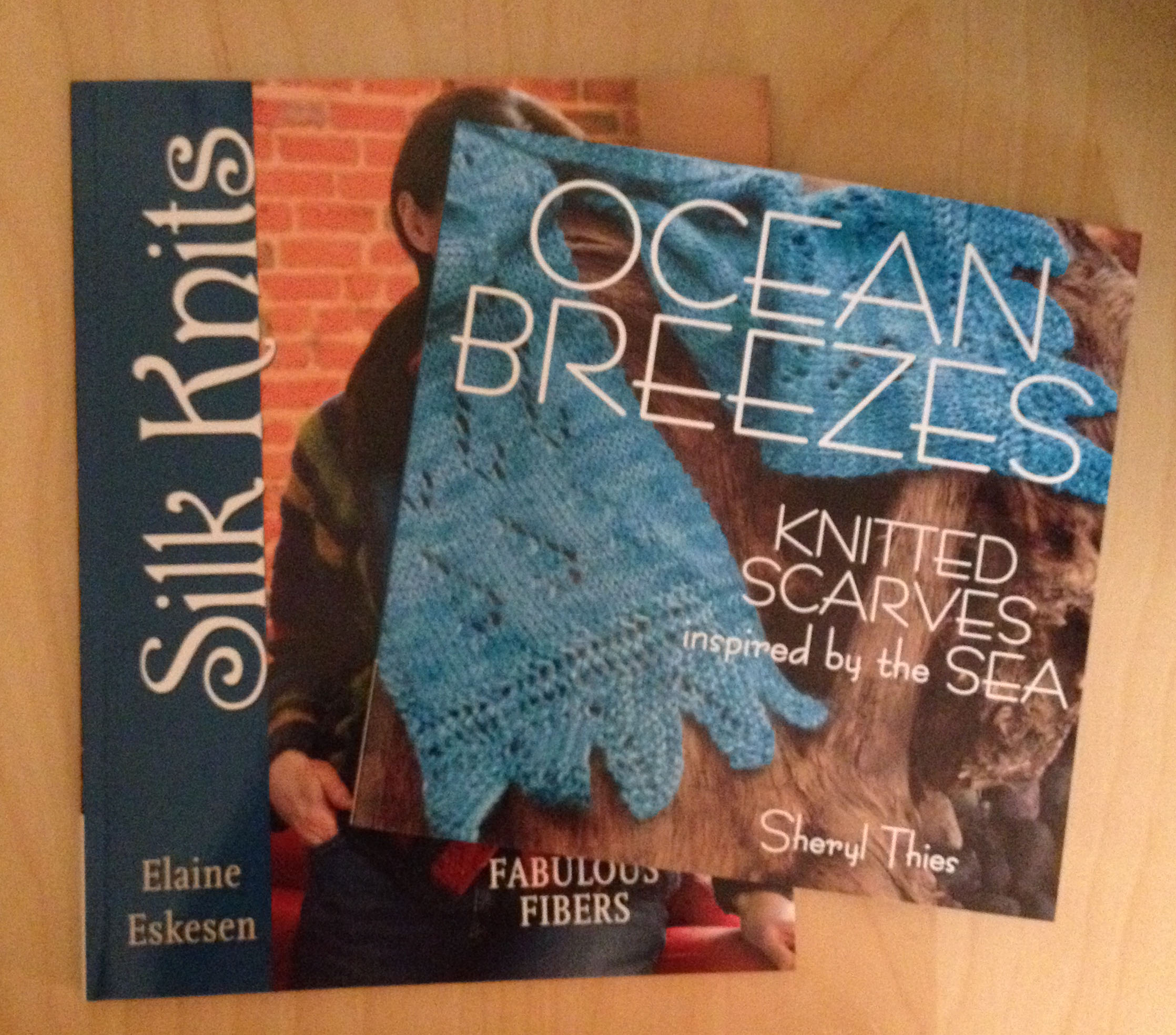
Let’s start with Ocean Breezes – Knitted Scarves inspired by the Sea by Sheryl Thies (published in 2007 by Martingale).
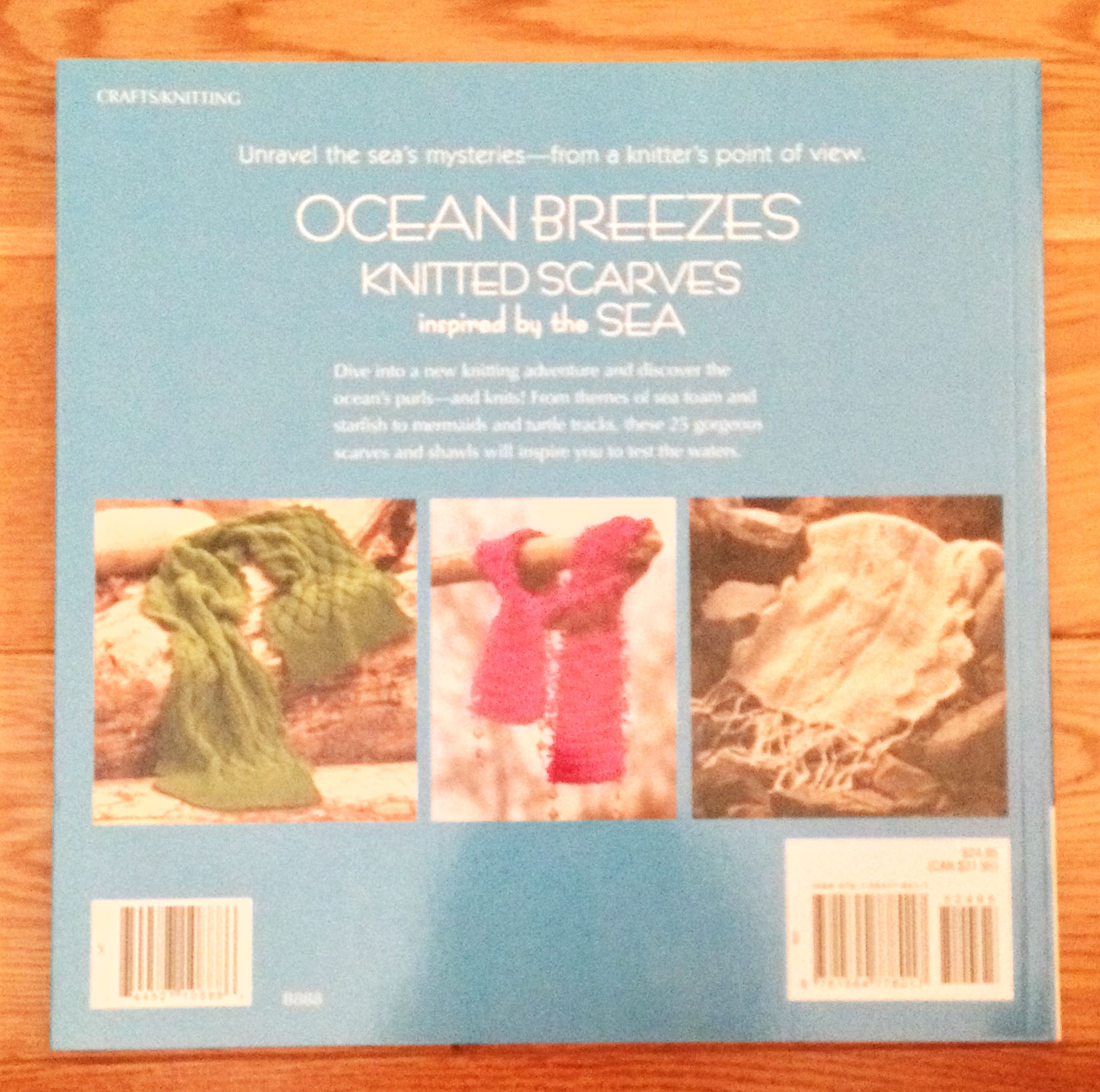
scarf_bc


The premise is nice and scarves photographed in nature as still-life images is interesting. The scarves are OK. I like the cover scarf – mostly the edging. I also like these two scarves. Does this make keeping this book worthwhile – nah!
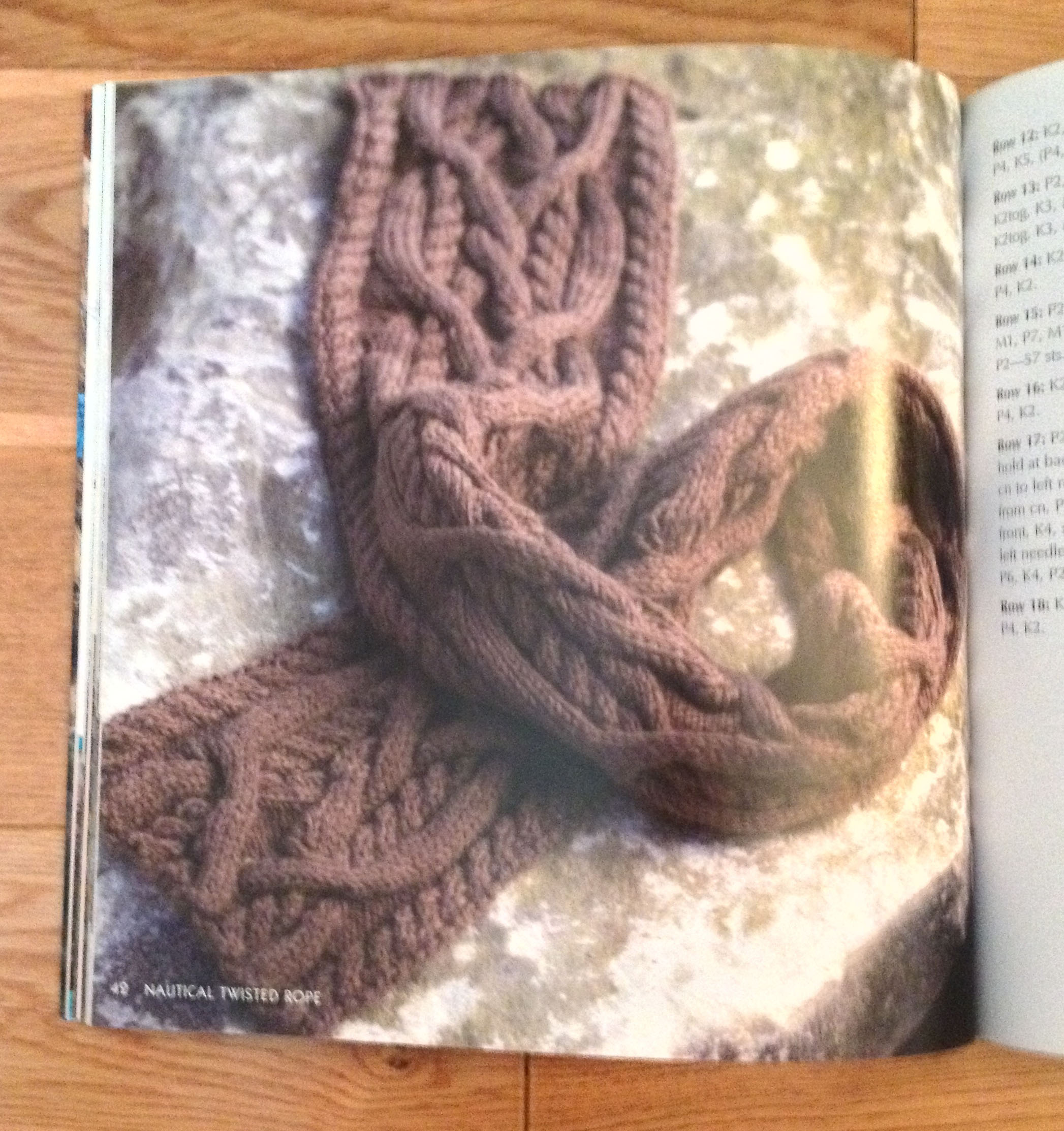
cable_scarf leaf_scarf

Moving on to Silk Knits – 20 Designs in Fabulous Fibers by Elaine Eskesen (published in 2007 by Martingale).  This book has a bit more meat. It includes info on working with silk, the types of silk and a history of silk. The big “but” is that as I looked over the patterns, I couldn’t really find patterns that I found very interesting. The chapters of the patterns is broken down by season – spring, summer, fall, winter. Below is the one pattern that I do like, but not sure I’d make it or have a place to wear it.
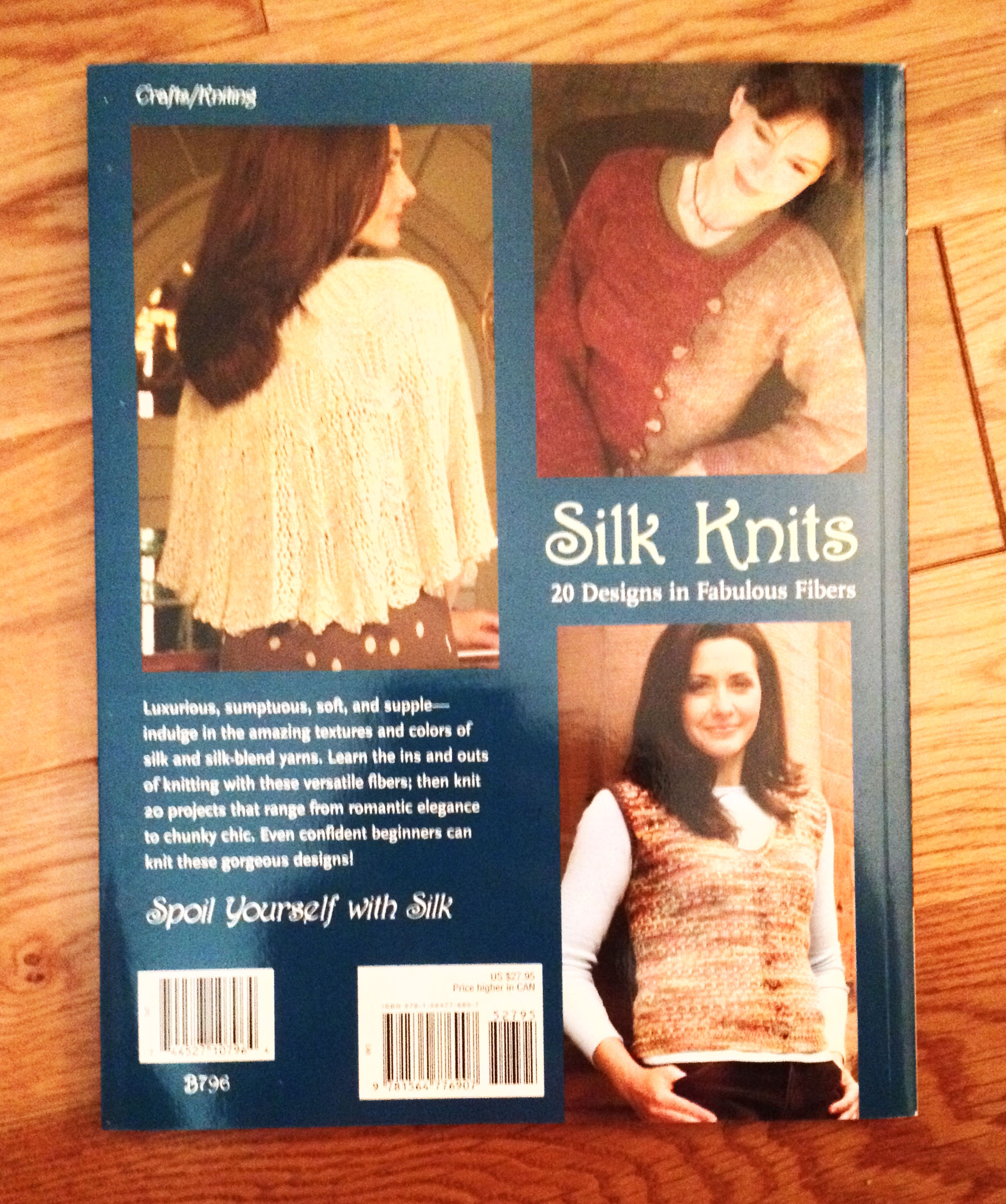
Silk Knits back cover
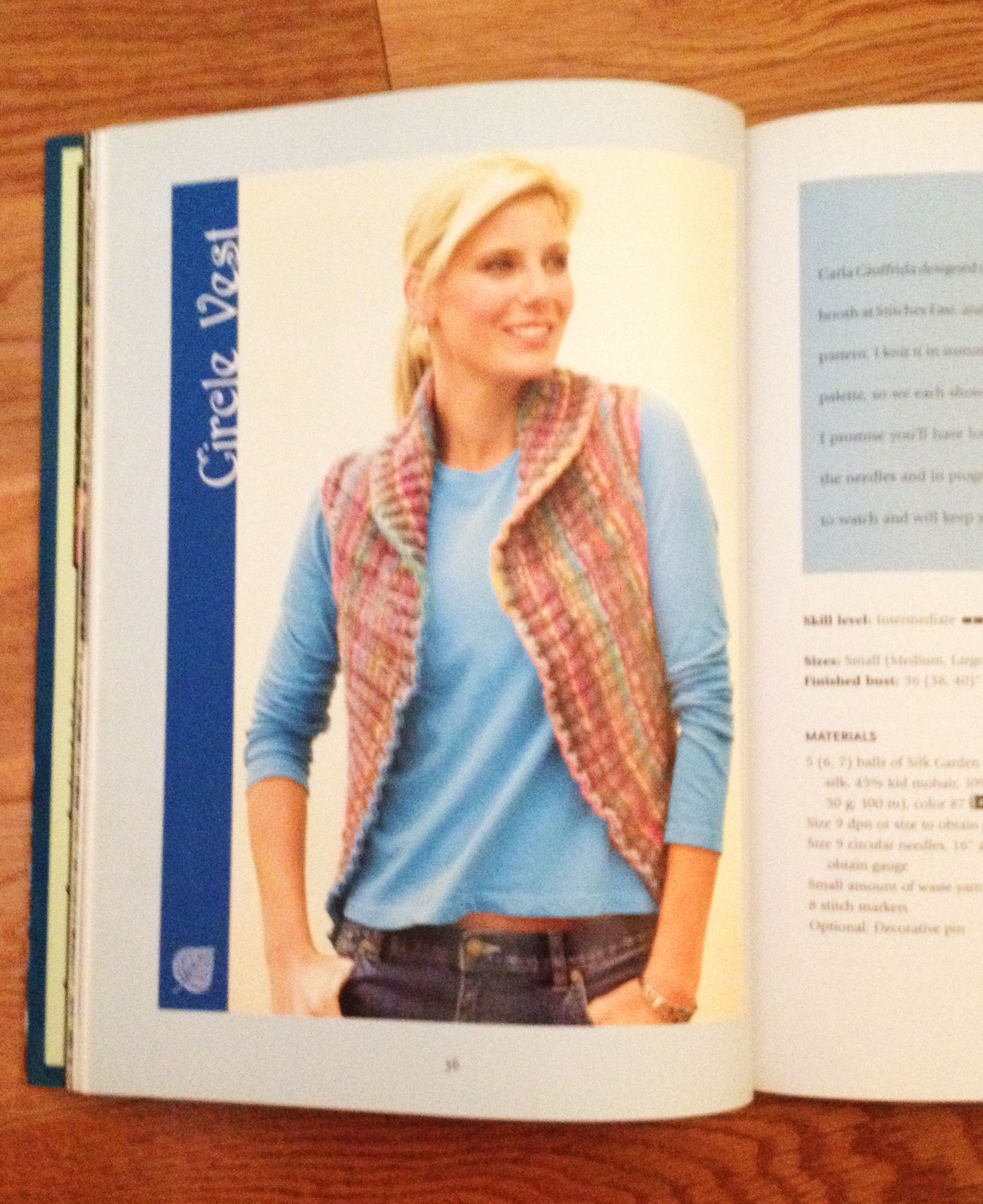
Silk Knits back cover

knit circle vest
knit circle vest
 

http://www.amazon.com/Ocean-Breezes-Knitted-Scarves-Inspired-ebook/dp/B00HANSOOE/ref=sr_1_1?s=books&ie=UTF8&qid=1409084658&sr=1-1&keywords=ocean+breezes+knitted+scarves+inspired+by+the+sea

http://www.amazon.com/Silk-Knits-Designs-Fabulous-Fibers-ebook/dp/B00I0GHKP4/ref=sr_1_1?s=books&ie=UTF8&qid=1409084725&sr=1-1&keywords=silk+knits+20+designs+in+fabulous+fibers

Mason-Dixon Knitting Outside the Lines

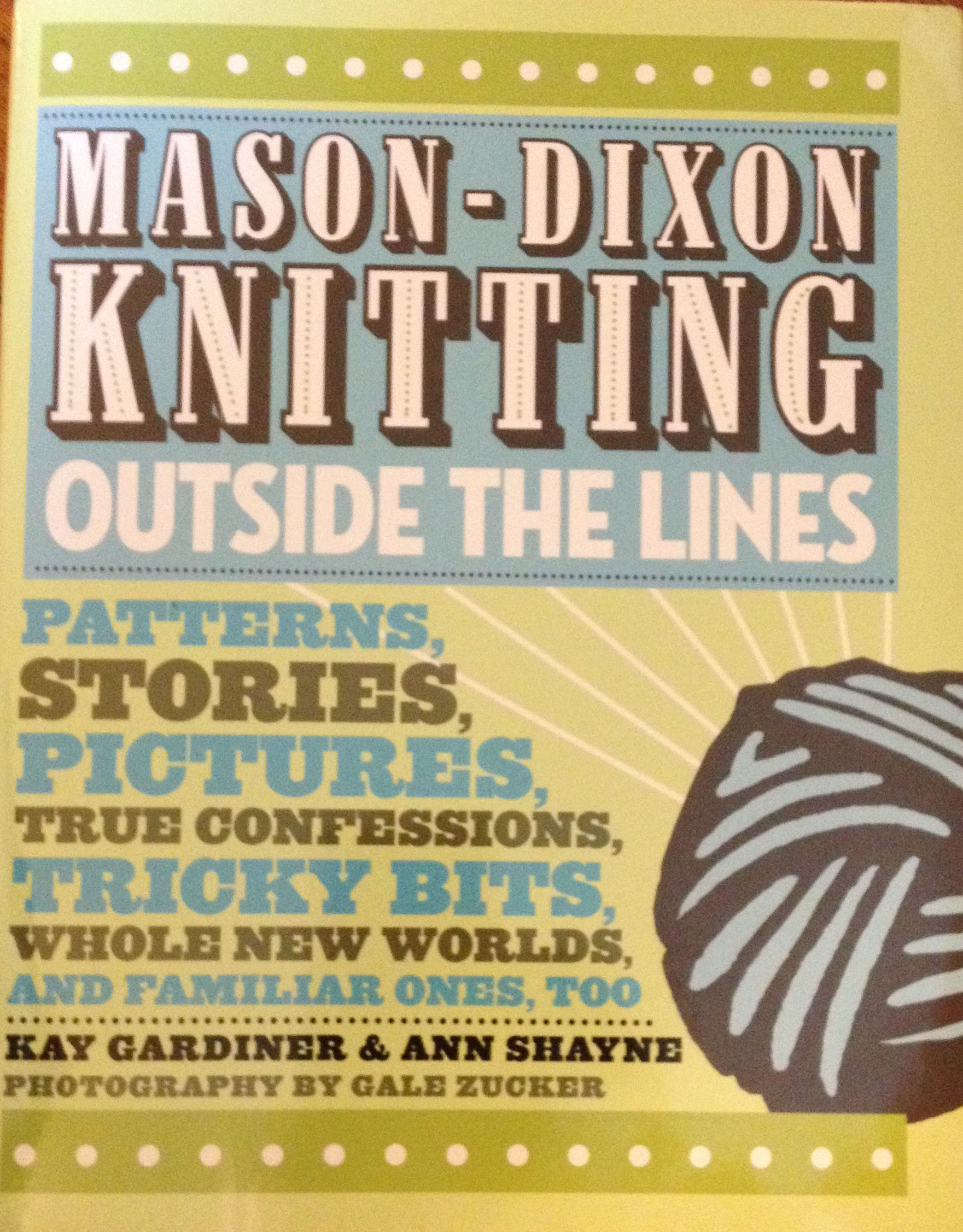
 MD_cover

A new book for a new day – Mason-Dixon Knitting Outside the Lines by Kay Gardiner & Ann Shayne (published in 2008). I’ve been reading this book for about a week, but haven’t posted. It’s a rich one with lots of interesting material so I’m reading it in bits and pieces. It’s definitely not just another pattern book. It’s going to take more than one pass to get through this one so “Hang On”!

MD_back_cover

I’m already giving this one a thumbs up.

What do I like about the book? I love the back and forth banter between Kay and Ann. Each has a point of view and the sum of the two parts equals essays, tips and tricks worth reading. I really like that they begin with their #1 rule – “knitting is spoze to be fun.” Right from the beginning I knew this was worth reading further. I like that the intro tells you that it’s going to be broken down into five sections. I’m only covering a part of section 1 today – Decorating Yourself.

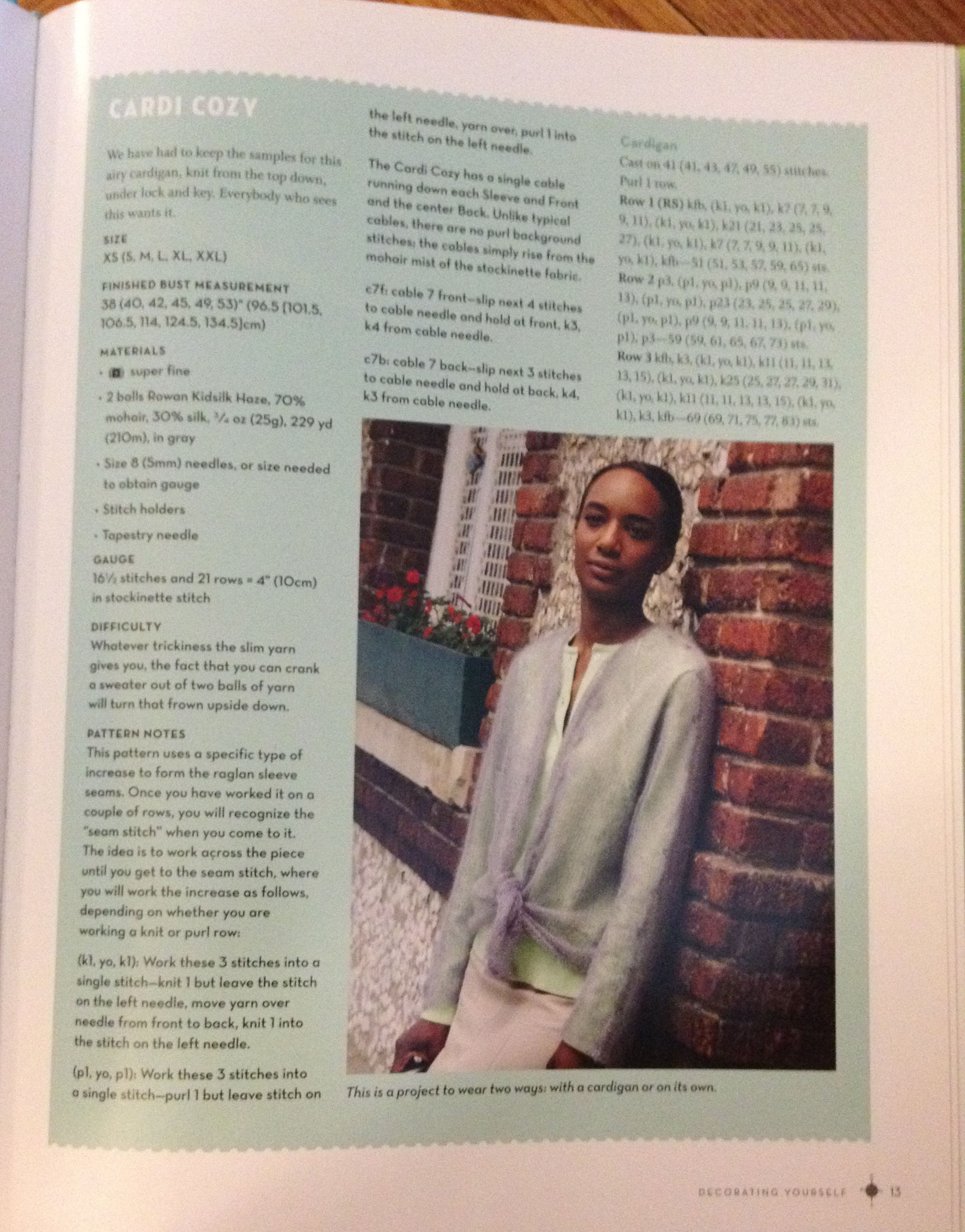
cardi_cosyThe first project is called a Cardi Cosy. The perfect lightweight piece to wear over a store-bought cardigan. Very clever indeed. It can be worn on its own for a more glam look, but the first purpose seems to be ideal for most of us who aren’t often in the glam-wearing arena. It’s made with Rowan’s Kidsilk Haze – heavenly!

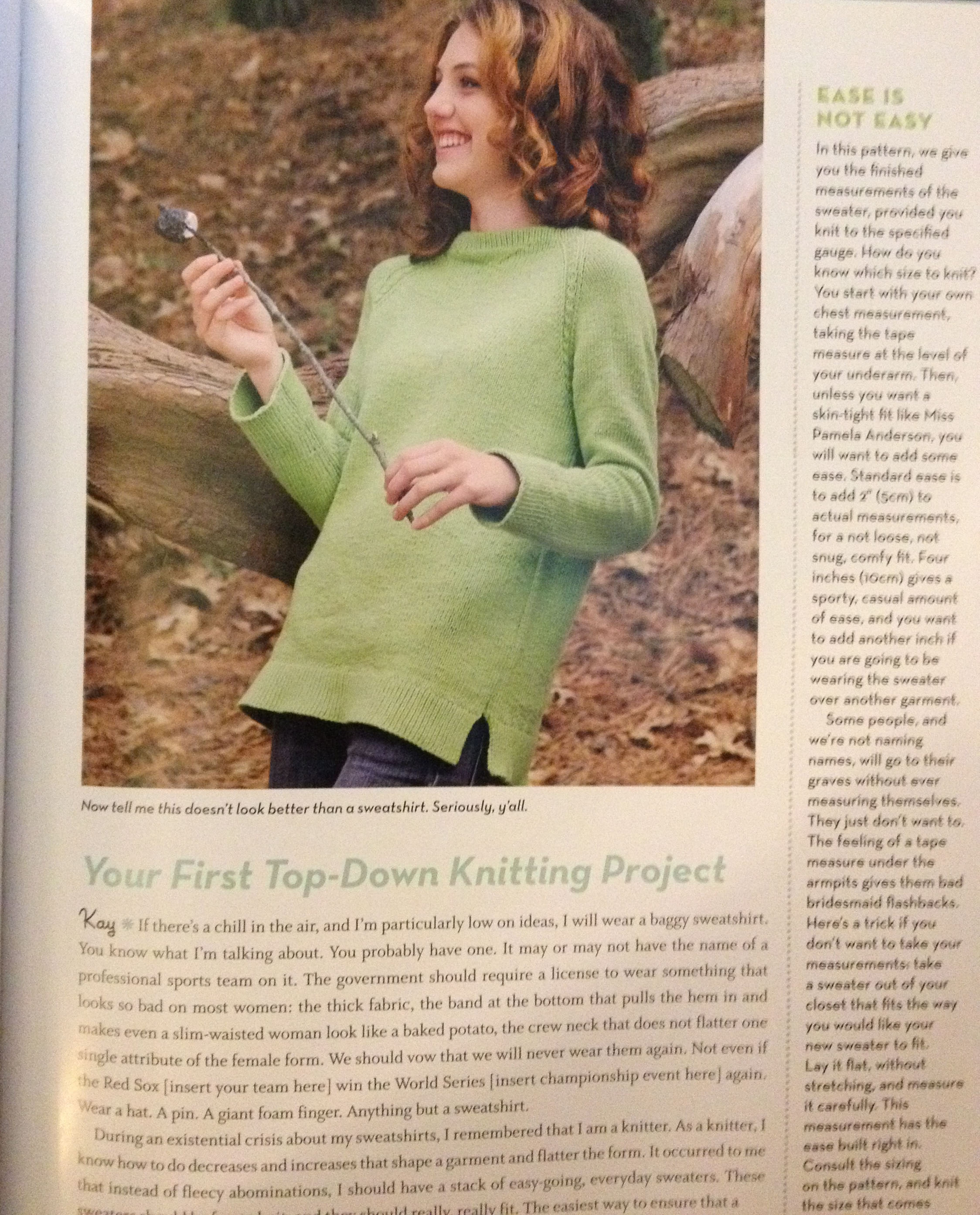
daily_sweater

The next sweater that I really like is knit from the top-down which offers multiple possibilities and is an easy way to get the correct body and sleeve length. It’s called The Daily Sweater. I take this to mean that it can be worn every day. It’s a knit alternative to a sweatshirt. Kay explains in great detail why sweatshirts are unflattering at best. I would be game to knit this one.

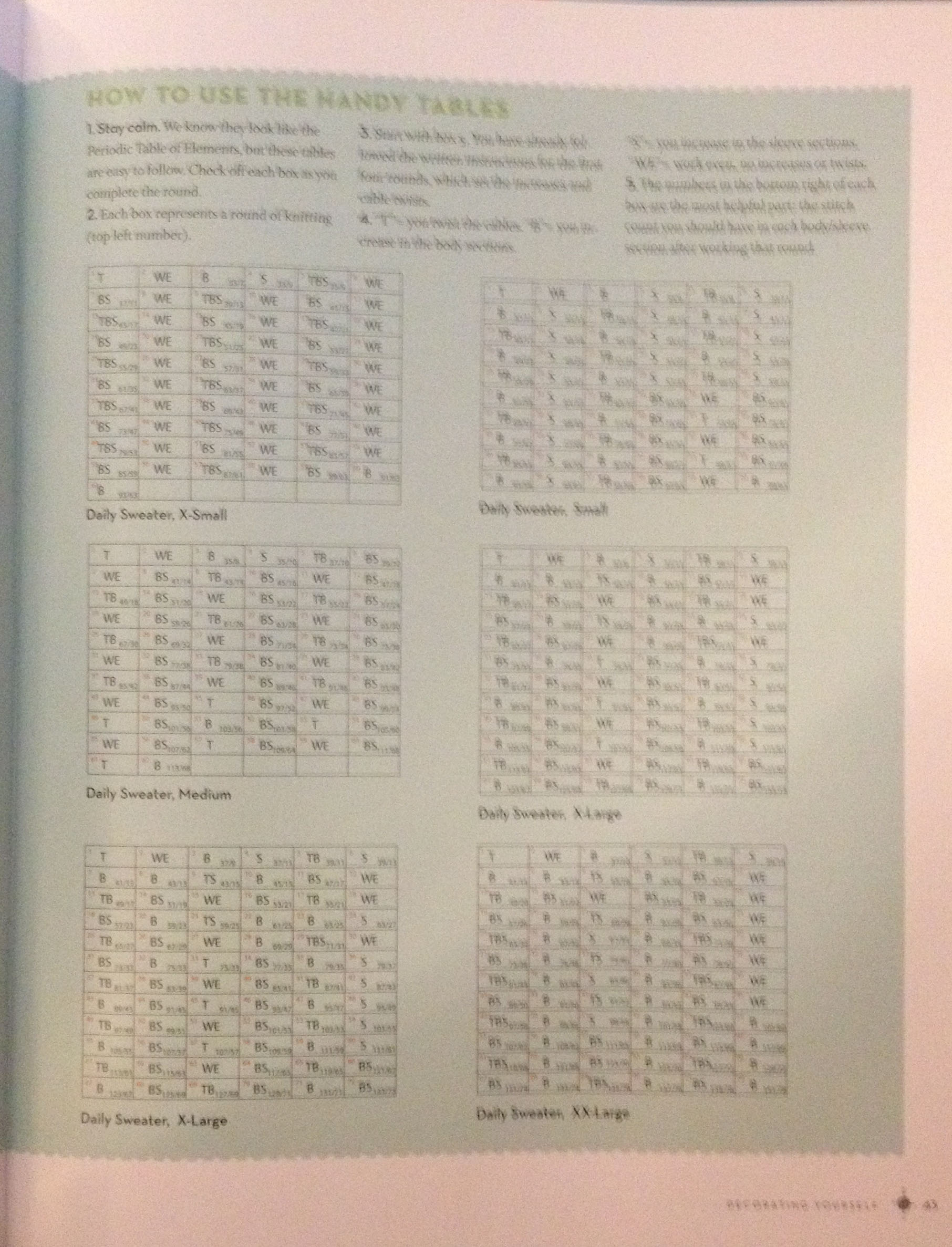
tableWell, until I came to this chart. Uh, what can I say about this page. It’s a brilliant way to show a pattern with 6 sizes (I did find one typo – Large is labeled X-Large). Reading it seems a bit daunting, but I figured that if I was knitting it, the chart would become crystal clear to me. At least that’s the hope!

schematicTwo other elements of this sweater that I like. The clever little V purl/knit element at the neckline adds a bit of “sweatshirt” style to the pullover. I also like the clear schematic drawing with the measurements, although a sleeve length from the underarm would be helpful.

More about this sweater in my next post!

http://www.amazon.com/Mason-Dixon-Knitting-Outside-Lines-Confessions/dp/B008548F14/ref=sr_1_4?ie=UTF8&qid=1406929873&sr=8-4&keywords=Mason-Dixon+Knitting+Outside+the+Lines

Patchwork/Mitered Knitting Books

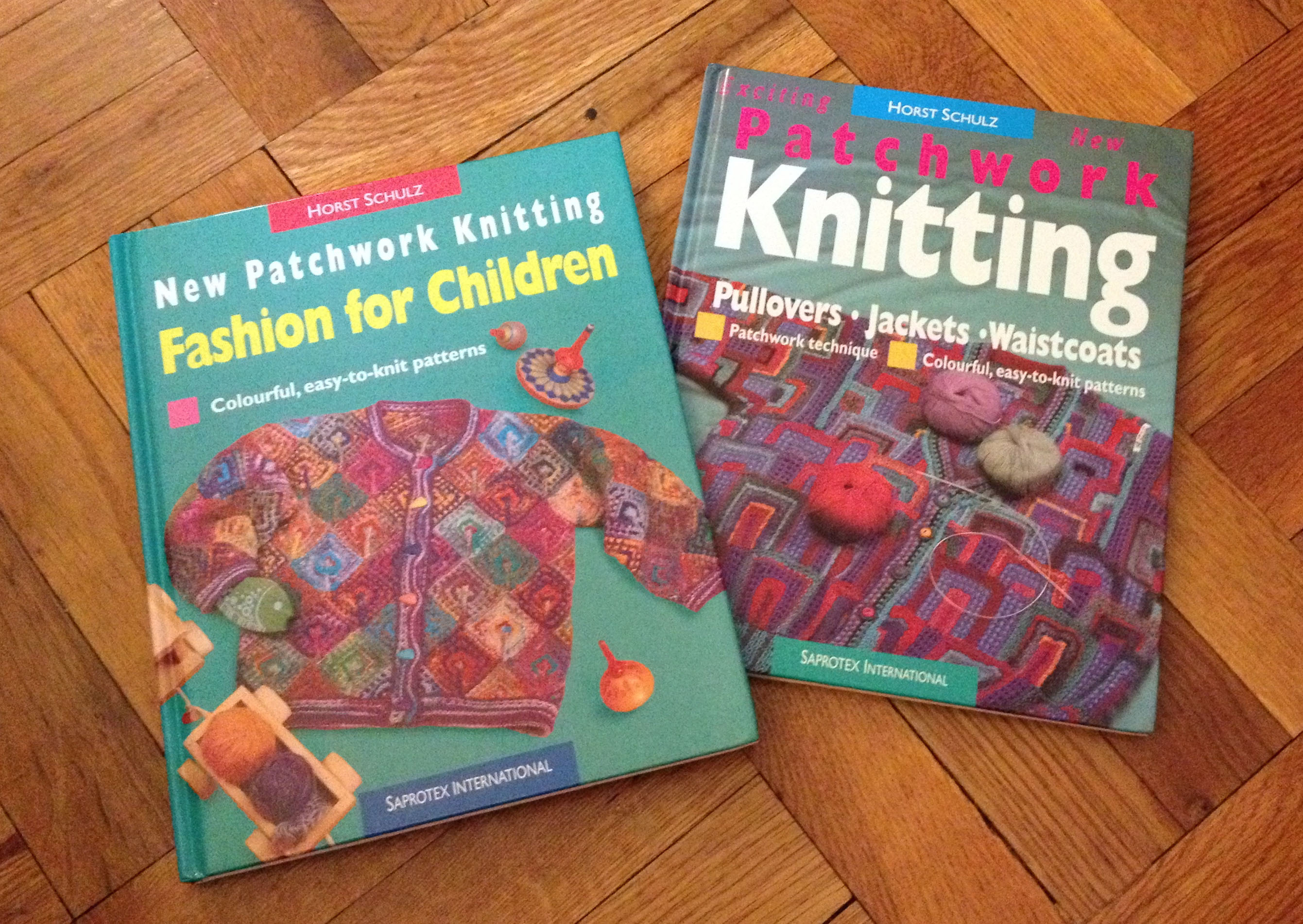
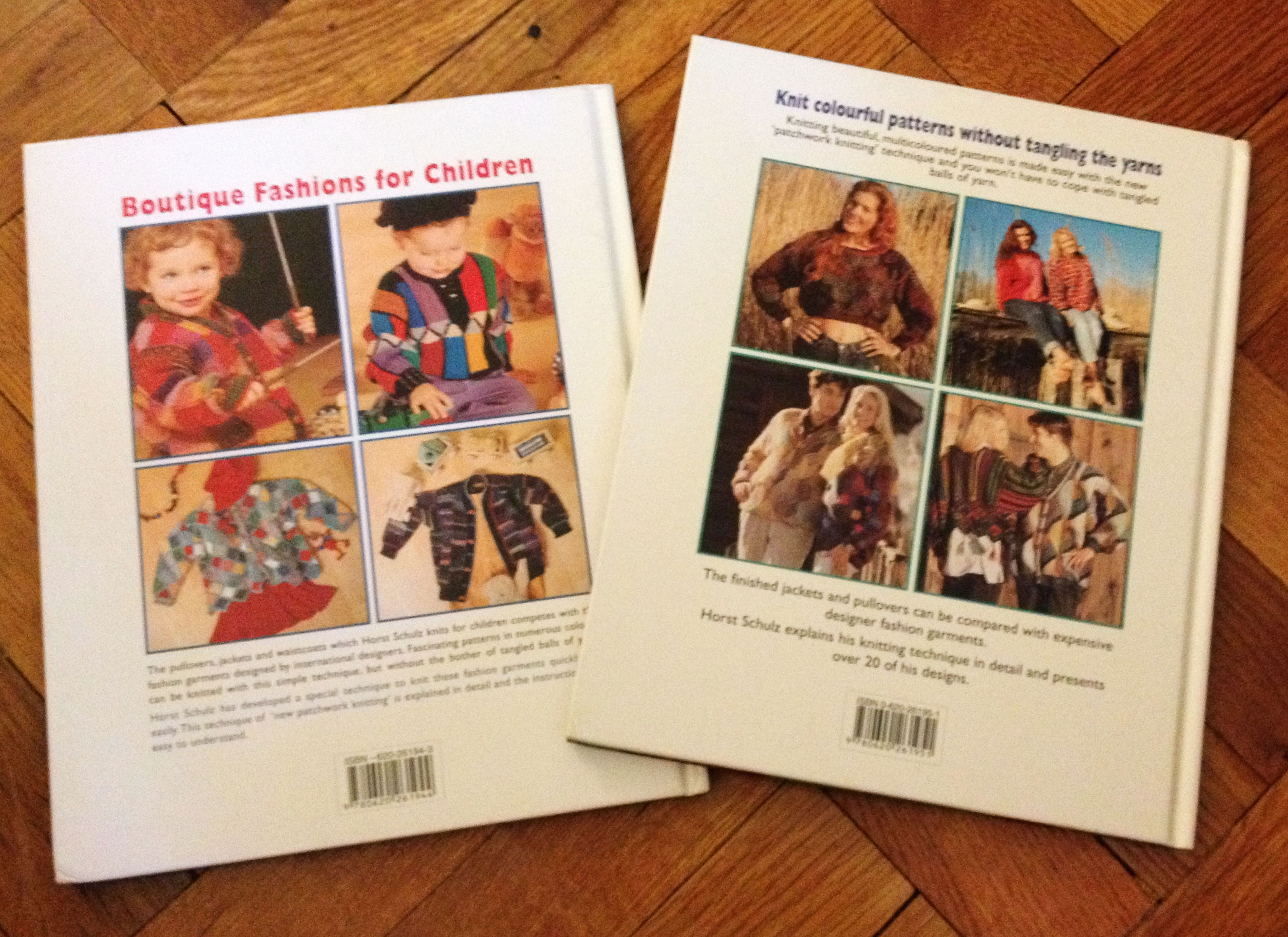
horst_schulz_covers


I’ve radically from baby knits to two books called “patchwork knitting“. Knitters also know this style as “mitered knitting“. Both books by Horst Schulz were published in 1997.

horst_schulz_back_covers

Let me start with with Patchwork Knitting as this is book I’m giving a: thumbs up.

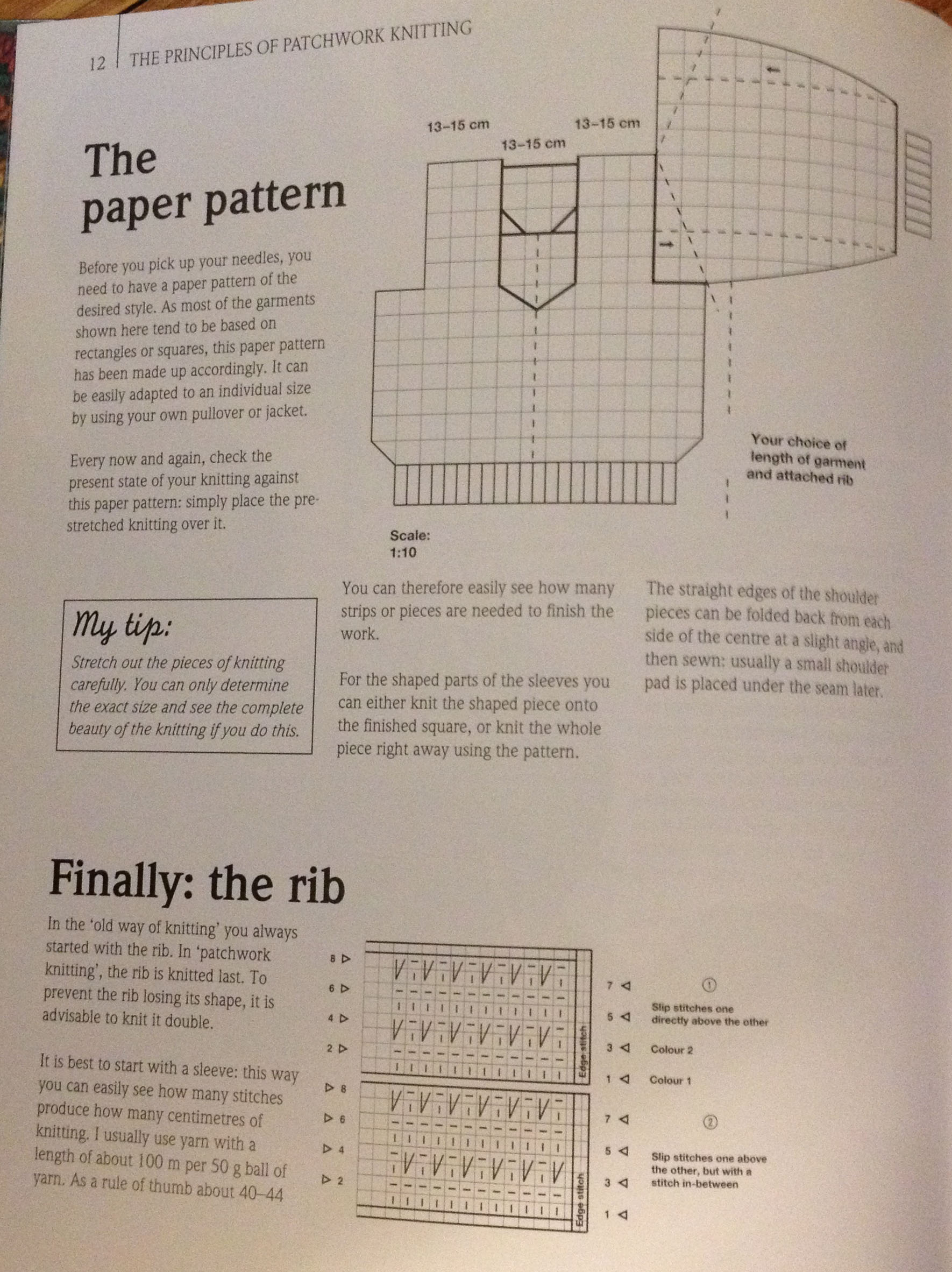
It starts out with a bunch of how-to info including casting on new stitches to add more squares to the knitting and the best way to create edge stitches. Before going into various ways to create patchwork, there is a section on making a paper pattern to use as a template for the patchwork squares, strips, diamonds, etc. This is really important to understand as there are no patterns for each technique featured throughout the book. You are pretty much on your own. This requires a bit of skill and I wouldn’t recommend for those who have never made a sweater.
pattern

Horst uses a type of ribbing for all the designs that I called corrugated  ribbing (two-color ribbing). It’s not my favorite, but it looks good with the colorful patchwork sweaters.
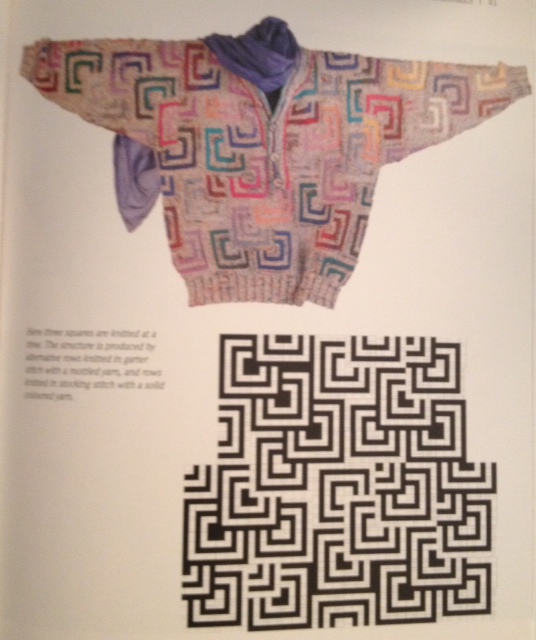
Moving along into the style gallery, it starts out with easy strips that are sewn together. Featured midway through are the most familiar squares and diamonds. My favorite is one that looks like squares in front and back. Very clever!

photo-6

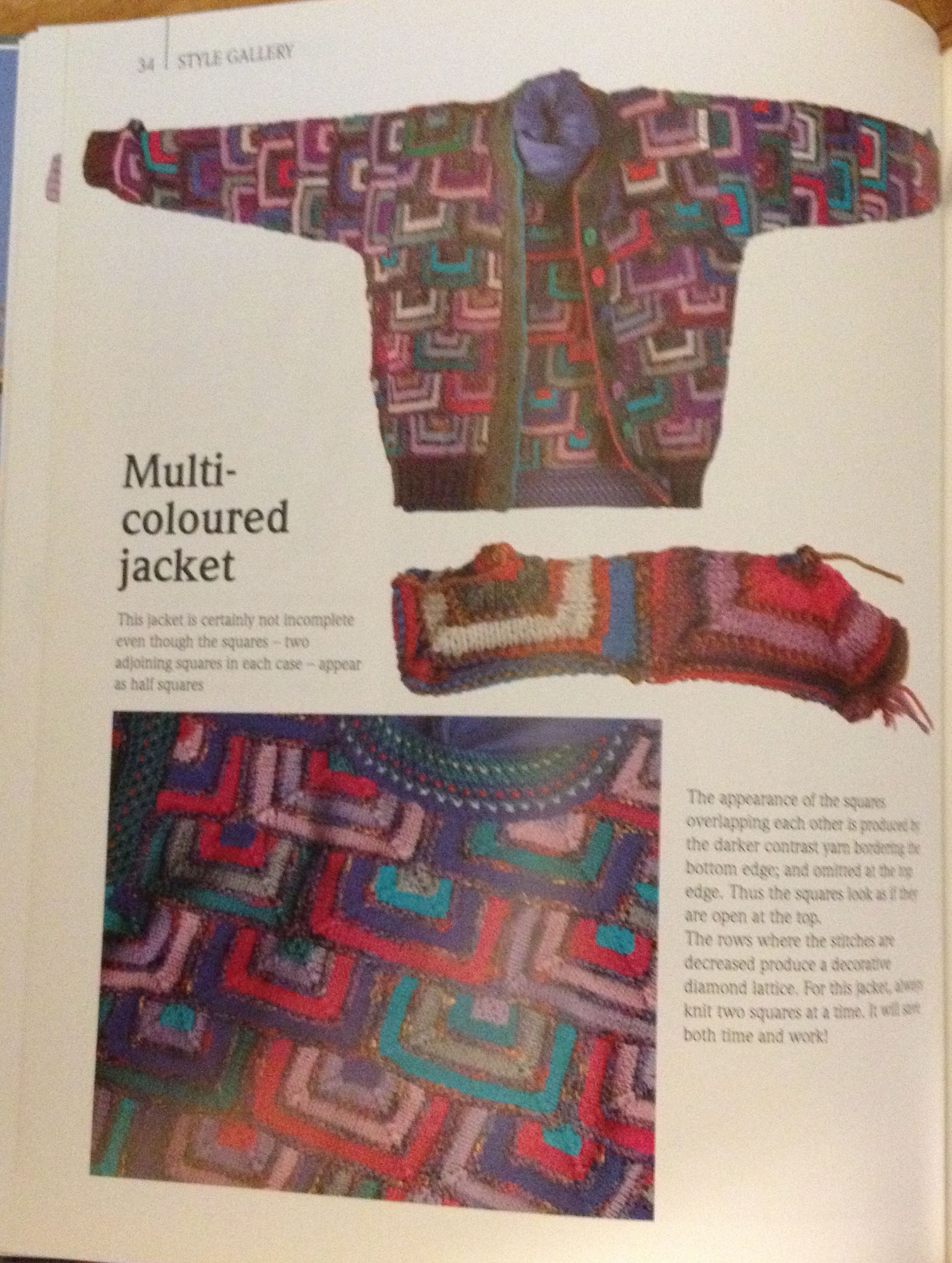
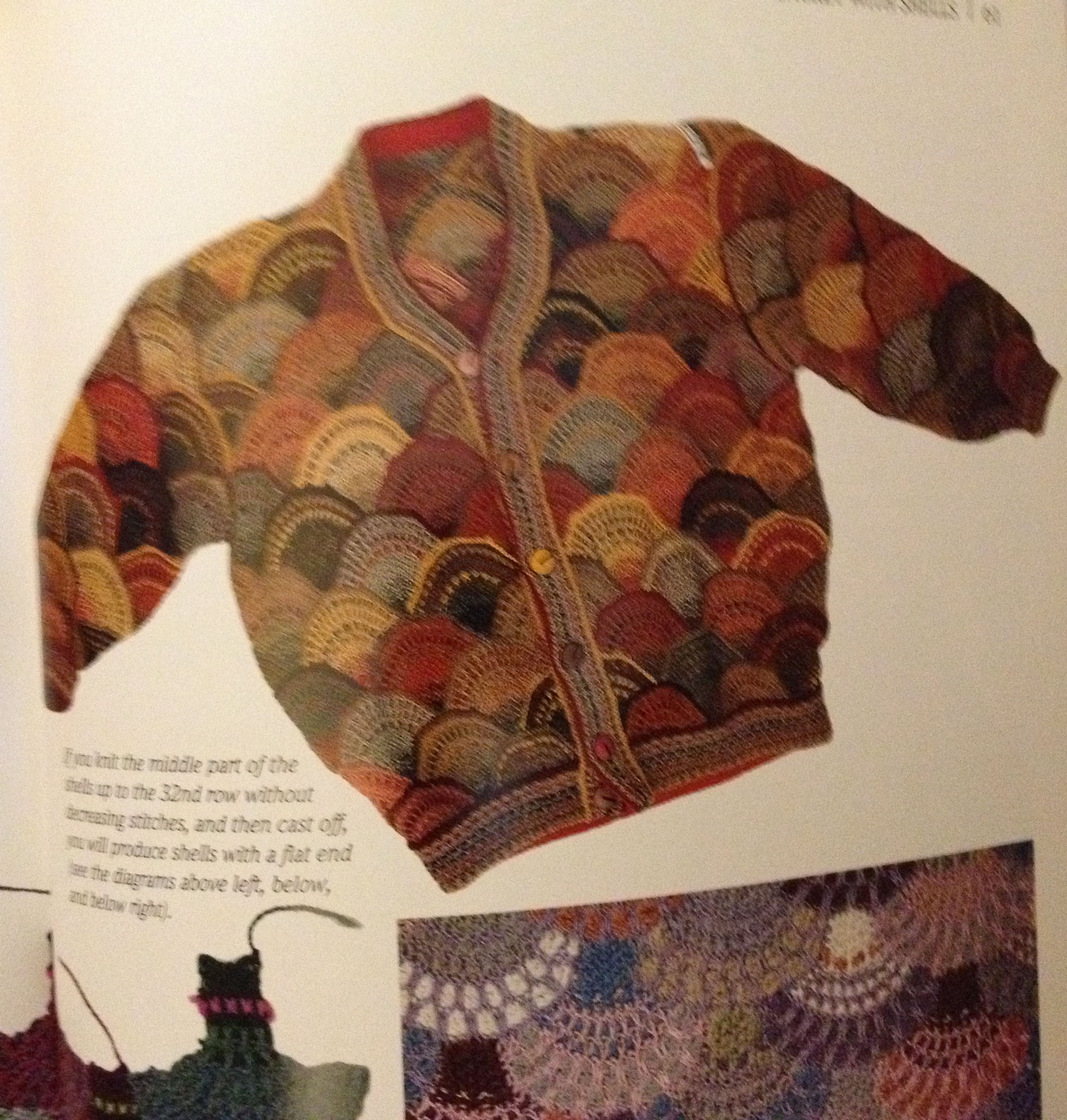
I also like the the techniques below.

square   shell_sweater

Book two: New Patchwork Knitting – Fashion for Children

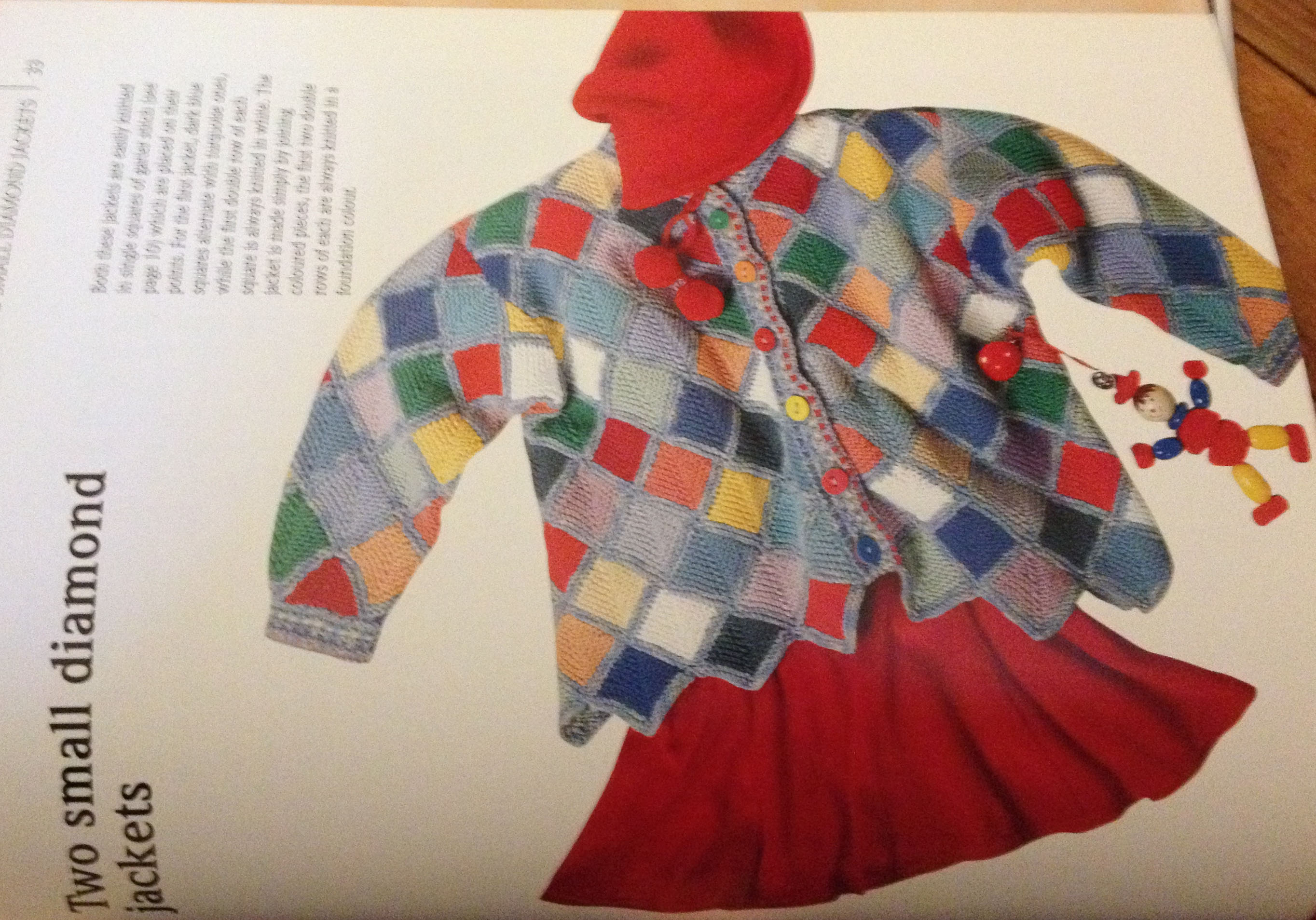
kid_design

This book: thumbs down

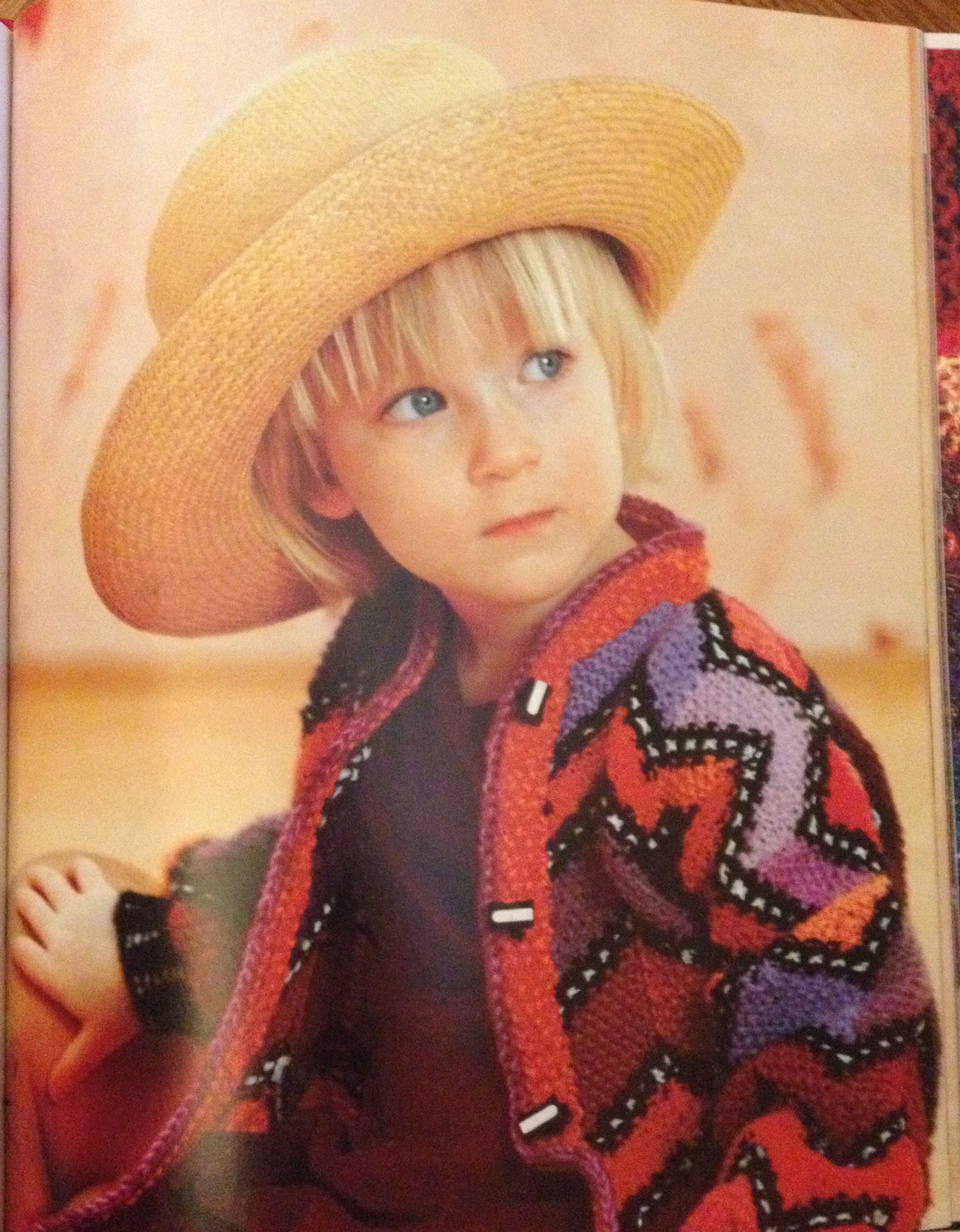
Why? It’s not a terrible book, but for me similar to the first book and I’m not a fan of some of the designs shown. I do like this sweater with the zig-zag edge. I don’t think I’d make it for any child I know.

kid_design1


 Bottom line: Buy one or the other book if you love the mitered technique. Horst Schulz is German and many of the resources for yarns given at the end of the book are for European companies. Also, keep in mind that the styling is very ’90s looking.


http://www.amazon.com/Patchwork-Knitting-Horst-Schulz/dp/0620261951/ref=sr_1_1?ie=UTF8&qid=1405017245&sr=8-1&keywords=patchwork+knitting


http://www.amazon.com/New-Patchwork-Knitting-Fashion-Children/dp/0620261943/ref=sr_1_fkmr0_1?s=books&ie=UTF8&qid=1405017345&sr=1-1-fkmr0&keywords=horst+schultz+fashion+for+children

Knitting For Baby

knitforbaby

Knitting for Baby by Melanie Falick and Kristin Nicholas (two women I so admire) is next on my list.

Even before I begin: Thumbs Up!

What did I like about the book? I’ll start with the colorful illustrations (all drawn by Kristin Nicholas) on all the techniques – from the simple knit stitch to knitting on double-pointed needles that are interspersed throughout the book. I love the way the book moves along in easy steps starting with the simplest stitches and projects and moving to designs that require more skill. Each chapter gives the reader all the tools and techniques needed to make the projects. I will surely turn to this book for baby projects. Here are a few of my favs.

I love, love the cover sweater. This Garter Stitch Cardigan is perfect for my knitting style. I’m always in favor of garter stitch and adore easy, easy projects. This cute little sweater comes in sizes from 3 months to 24 months. The yarn used is a bit heavier than I’d like. It calls for a yarn that’s 18 stitches to 4″. I’ll use a lighter weight yarn and will adjust the sizing.

backcover

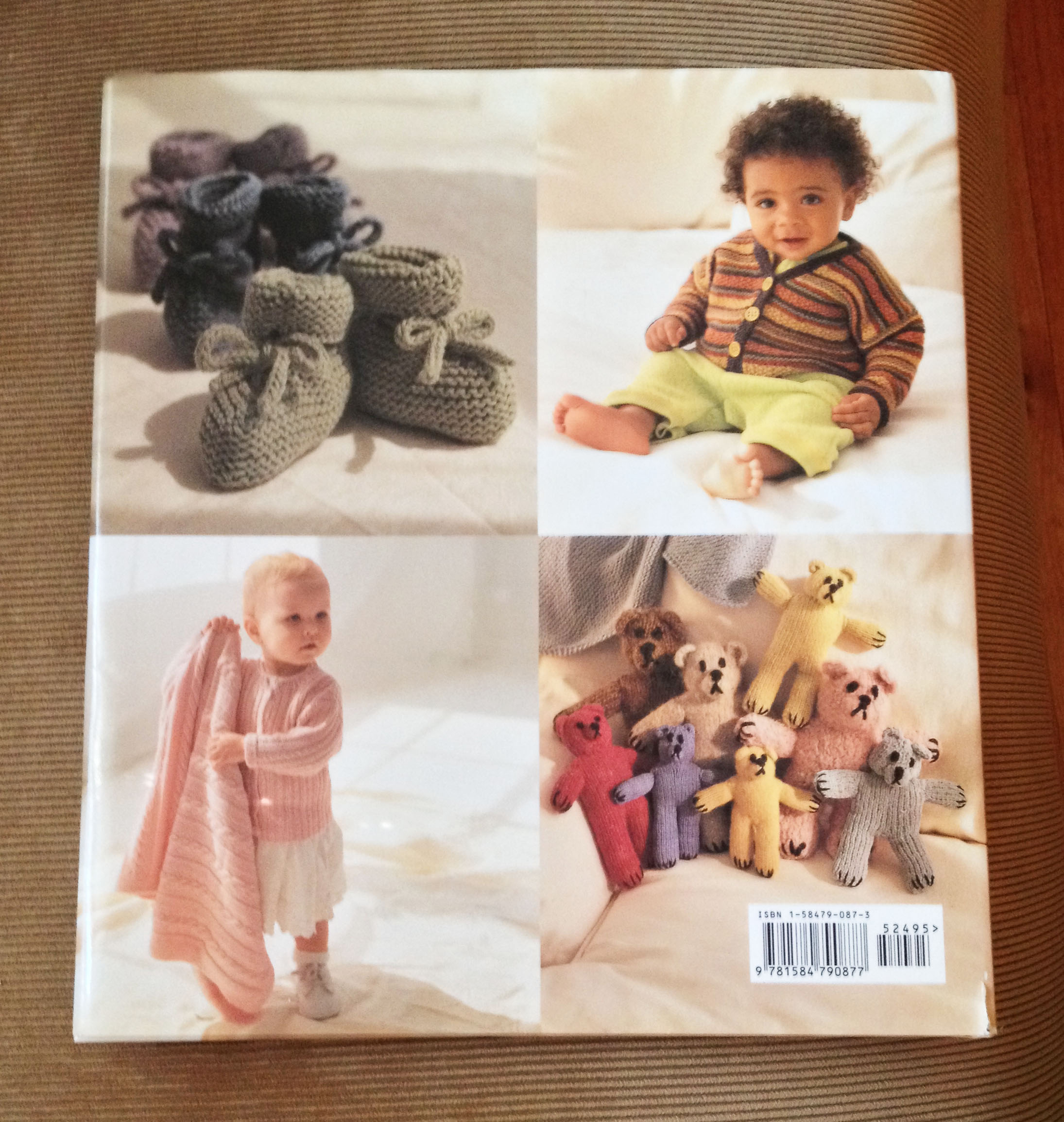
The back cover with more adorable projects!

babyaran

I already made this Baby Aran a couple of years ago for my niece’s new baby.

diaperbag

Felted Diaper Bag – I want to make this as a fun tote.

booties

A great baby shower gift. I would use a pastel shade – unisex for those who don’t yet know.

mittens

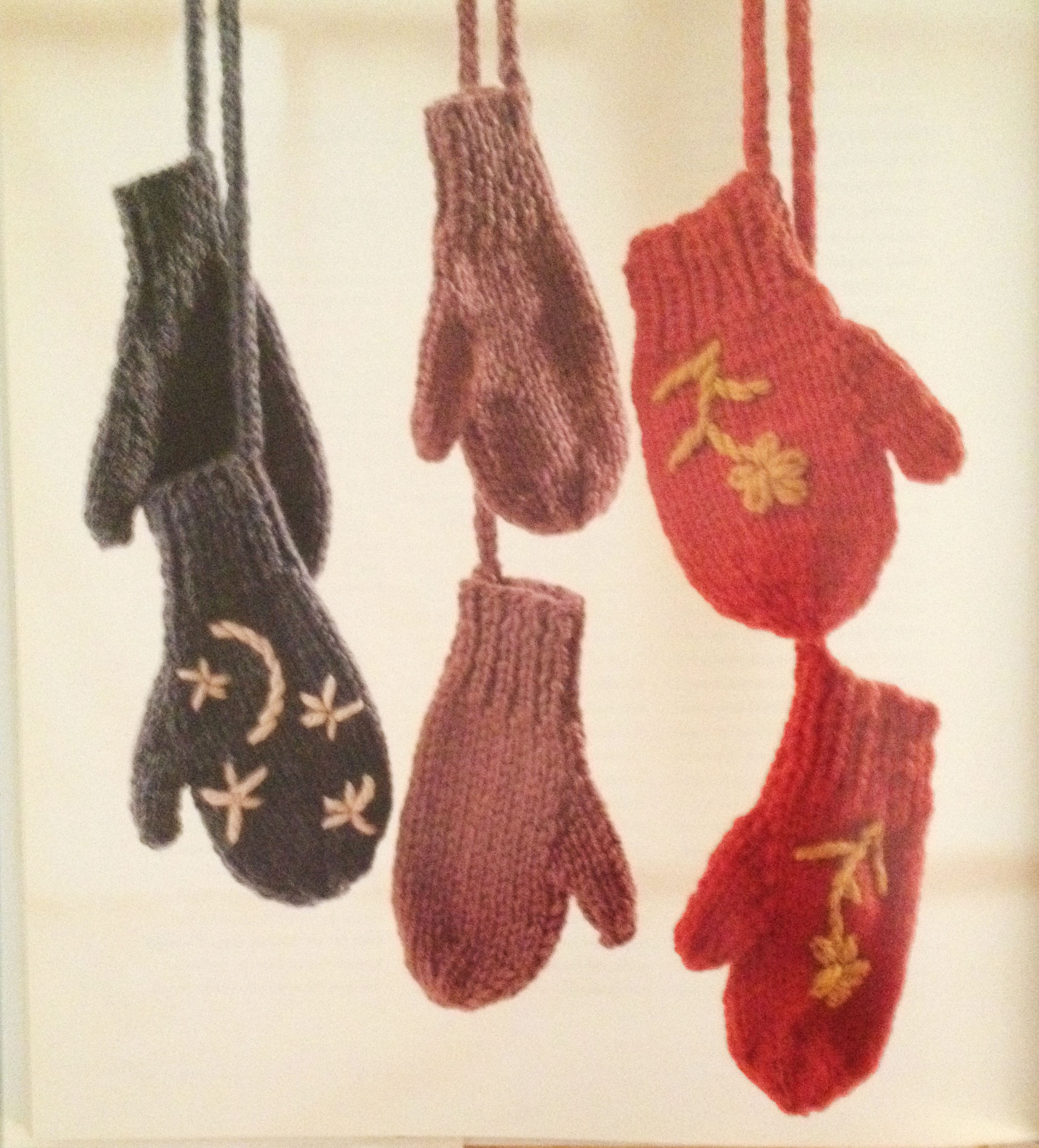
An easy mitten pattern is always nice to have  – sized for toddlers in a medium weight (slightly bulky yarn), it could be made smaller (using a thinner yarn) for a smaller child.

http://www.amazon.com/Knitting-Baby-How—Knit-Instructions-ebook/dp/B008ZR8CAK/ref=sr_1_1?ie=UTF8&qid=1404332030&sr=8-1&keywords=Knitting+for+Baby

Debbie Bliss Classic Knits for Kids

Classic__Kids_Knits

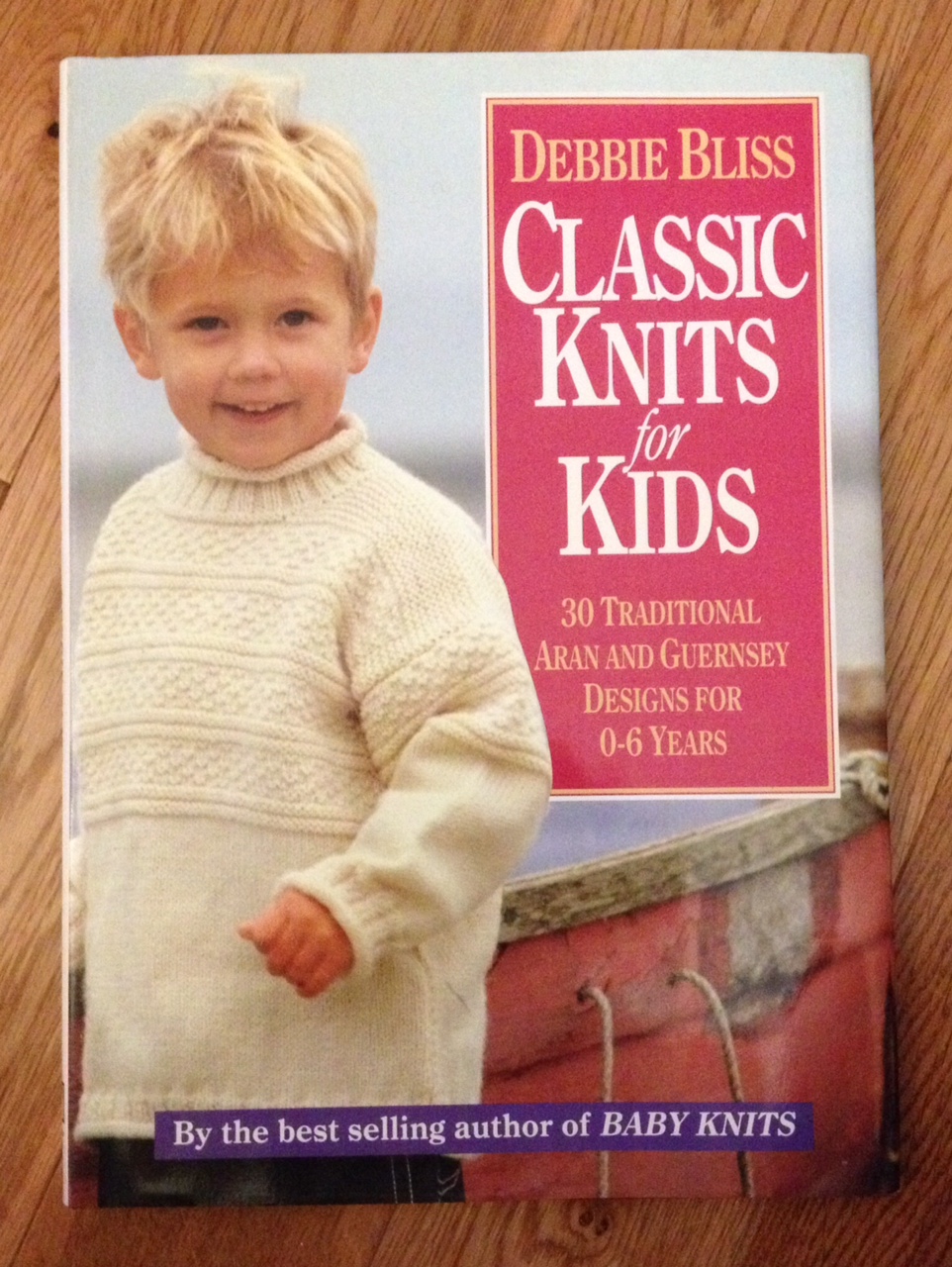
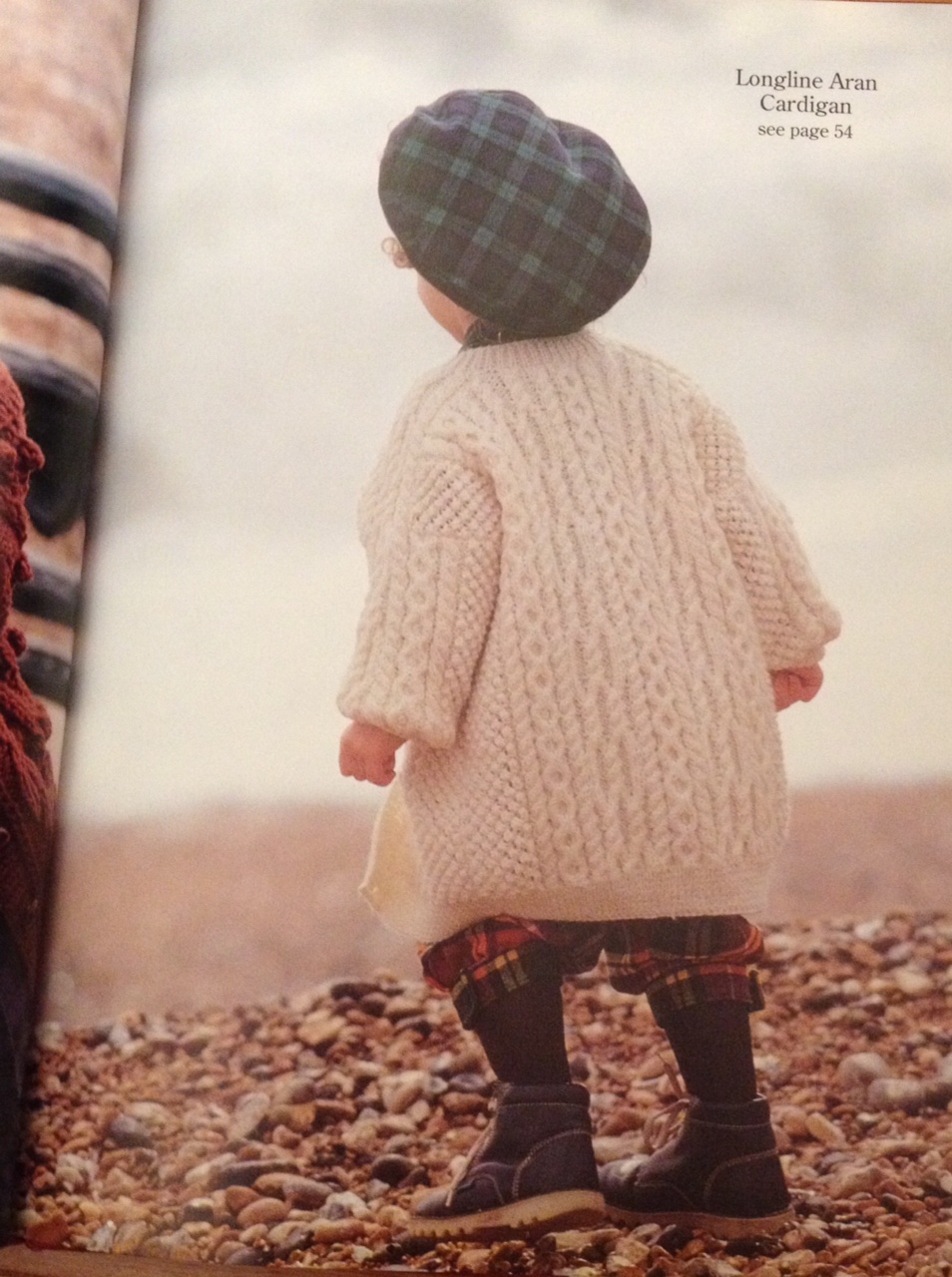
In keeping with my “baby/kid” book quest, I took a gander at Debbie Bliss Classic Knits for Kids with 30 Traditional Aran and Guernsey Designs for 0-6 year olds.

It was published in 1994 so some of the sweaters are a bit on the oversized look. However, I do know that Debbie does love to style and show baby/kids sweaters that have a loose and oversized look. She’s known for creating the kind of sweater that is perfect for growing into and will last for several years.

This is definitely a thumbs up book. I will say that when I looked it up on Amazon, new copies go for over $30 so I can’t be alone.

What did I love about the book: the photos are so sweet and the whole book has lovely styling. I love the fact that all the sweaters are one color with tons of texture in knit and purl stitches and interesting cabling.

What did I not like: I would have preferred to have separate stitch patterns or charts rather than row after row of patterning. When this book was publishing the default wasn’t charts for stitch patterning so that’s a minor complaint. The language is a bit “English” style rather than “American” which could be a bit off-putting to some.

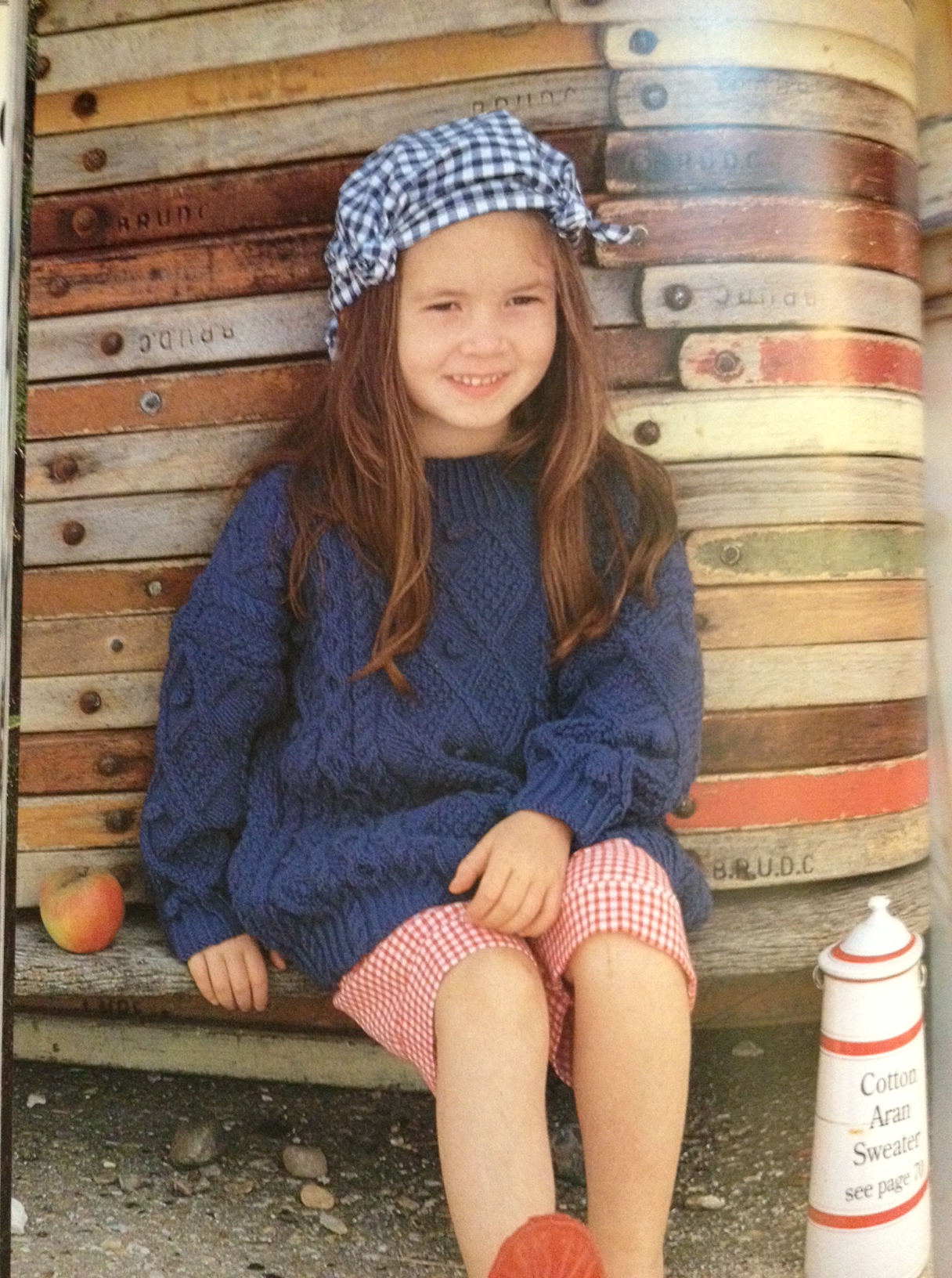
My favorite sweater (especially after my Aran journey) is called Cotton Aran Sweater:

denim_aran

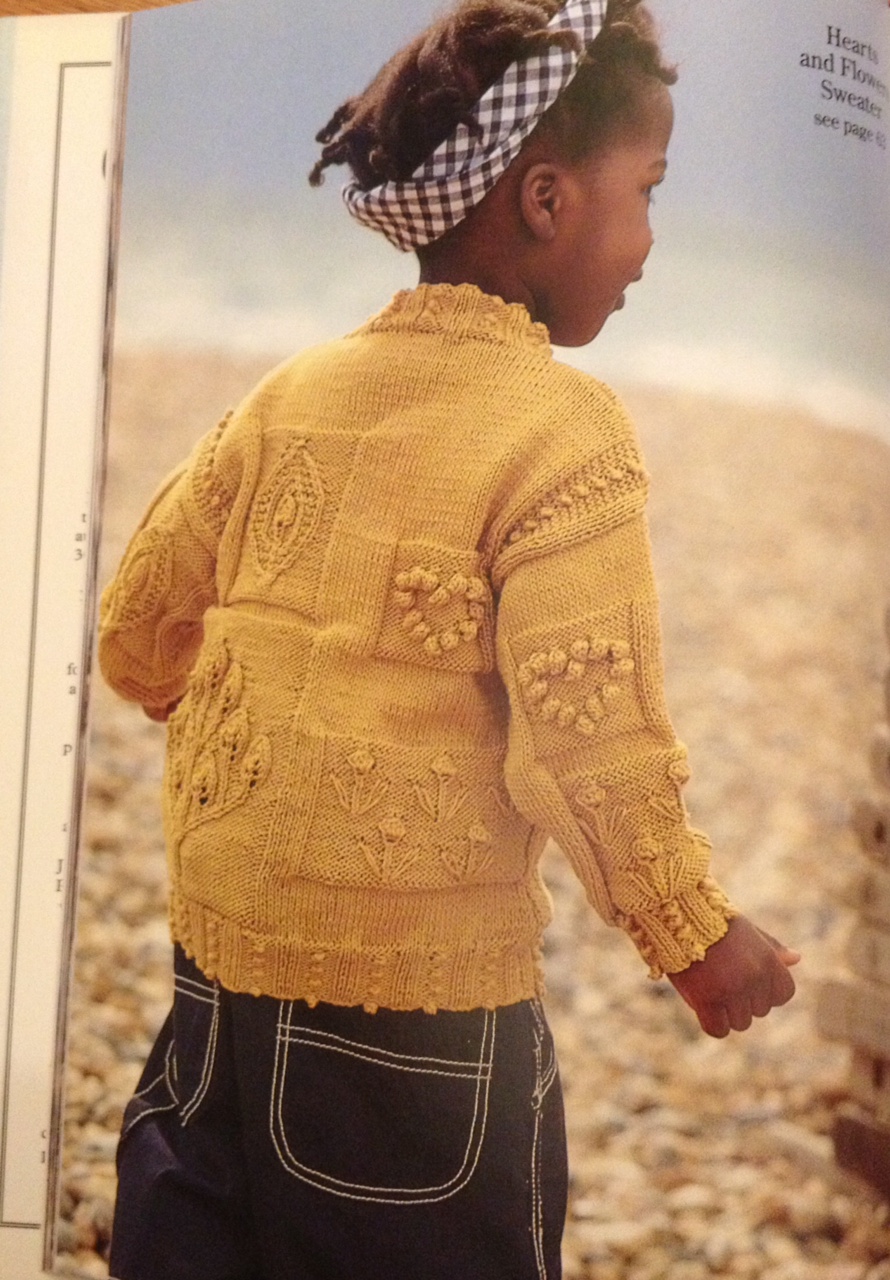
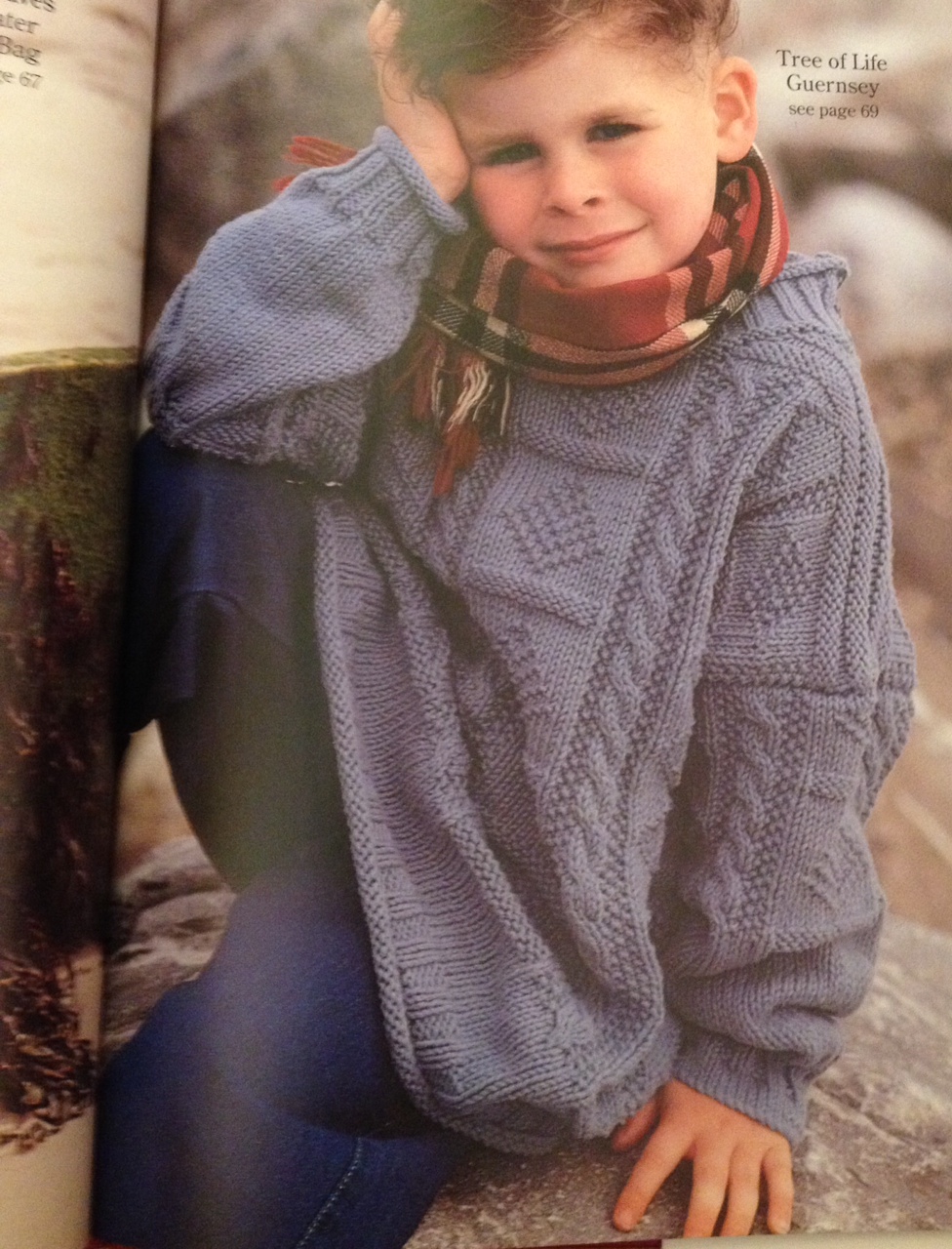
A few others I like –

yellow_sweater  gernesey

Baby_Arans

http://www.amazon.com/Classic-Knits-Kids-Traditional-Guernsey/dp/1570760268/ref=sr_1_1?ie=UTF8&qid=1402606597&sr=8-1&keywords=Debbie+Bliss+Classic+Knits+for+Kids

Vogue Knitting Baby Blankets

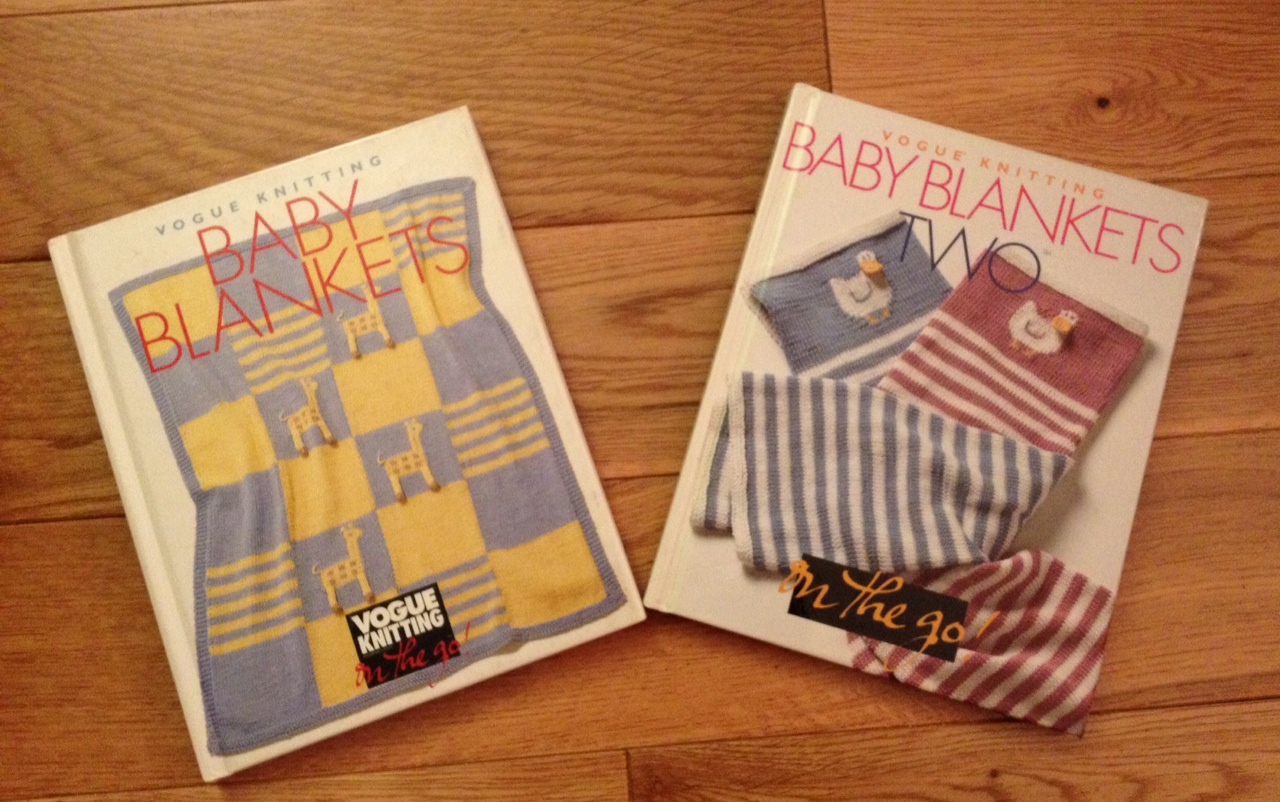
Baby_Blankets

Two little books surfaced today. They don’t have tons of fluffy text, they simply have knitted patterns for baby blankets. I was really ready to move these to the “out-the-door” with other thumbs down books. Sadly I did find a few patterns that made me change my mind.

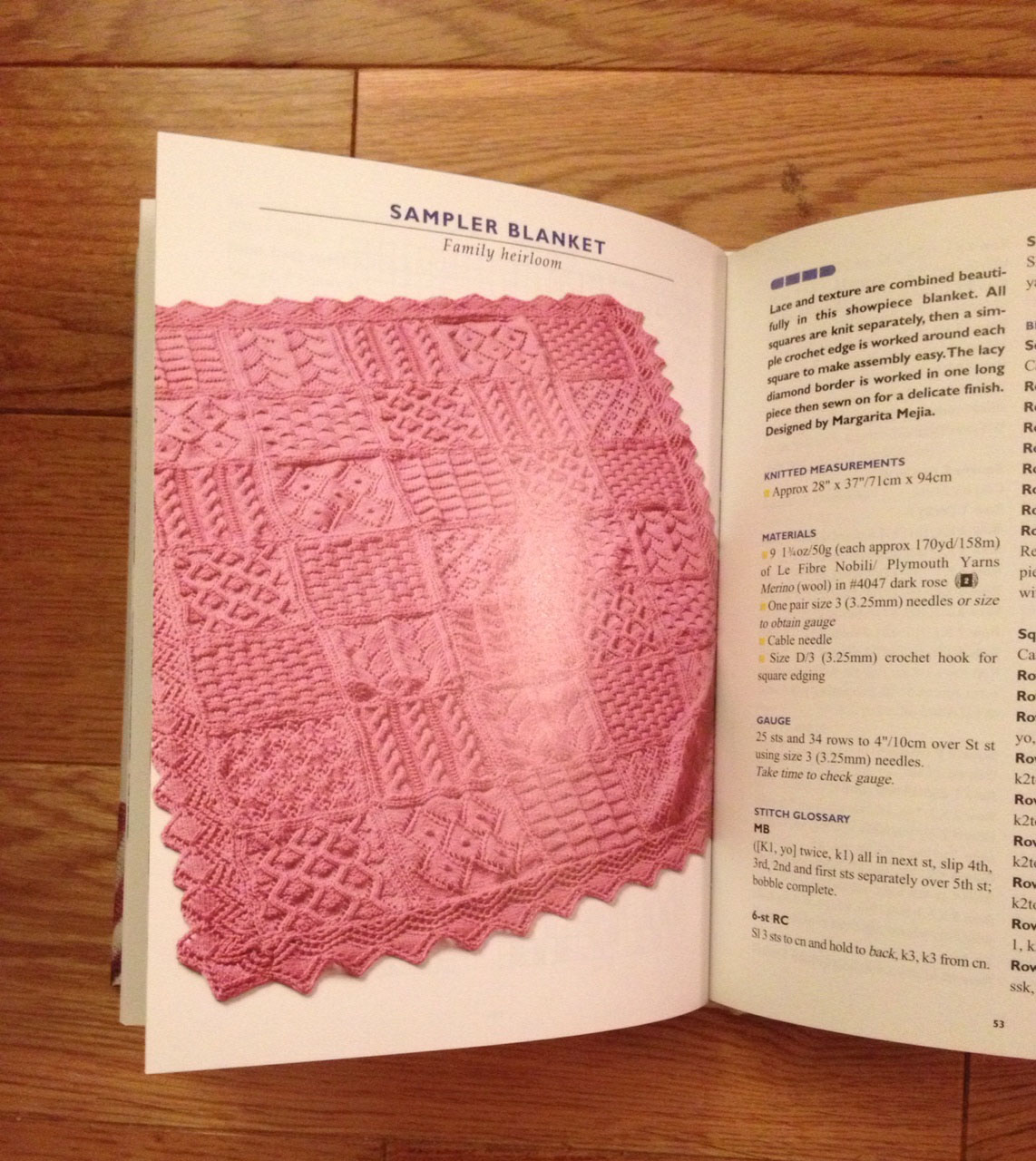
Here are a few stats on the books. The first Baby Blankets was published (Sixth & Spring) in 2000 as part of the On the Go series. The second, Baby Blankets Two (2004). Both have several pages of Basics which would be helpful to those without too much experience. Both have 24 patterns – kind of amazing in such little books. The photograph is good with simple still life views – not a baby in sight.

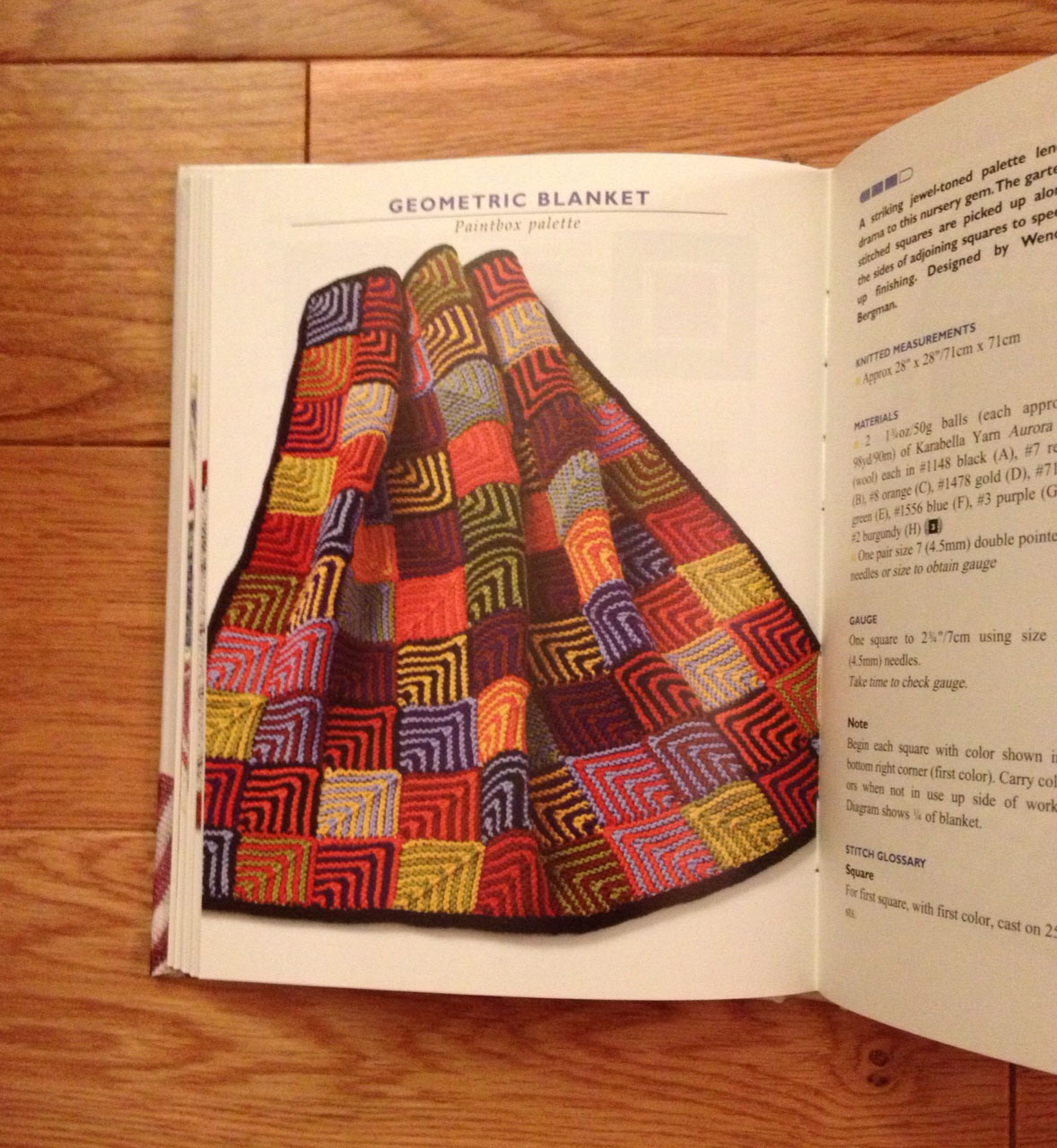
Here are a few of the ones that made me reconsider dumping these two. Sadly they aren’t the best photos. You can see that I’m in love with sampler styles and counterpane pieces. I also do love miters although, I’m not nuts of the colors used for the one shown.

baby_blanket2   baby_blanket3

  baby_blanket1

Here are links to the books on Amazon. While not available as new, can still be purchased.

http://www.amazon.com/Vogue-Knitting-Go-Baby-Blankets/dp/1573890197/ref=sr_1_1?s=books&ie=UTF8&qid=1402351165&sr=1-1&keywords=vogue+knitting+baby+blankets

http://www.amazon.com/Vogue-Knitting-Go-Baby-Blankets/dp/1931543437/ref=pd_sim_b_2?ie=UTF8&refRID=082BC1BVN8R8YXZNKP12

Aran Sweaters and the big finish!

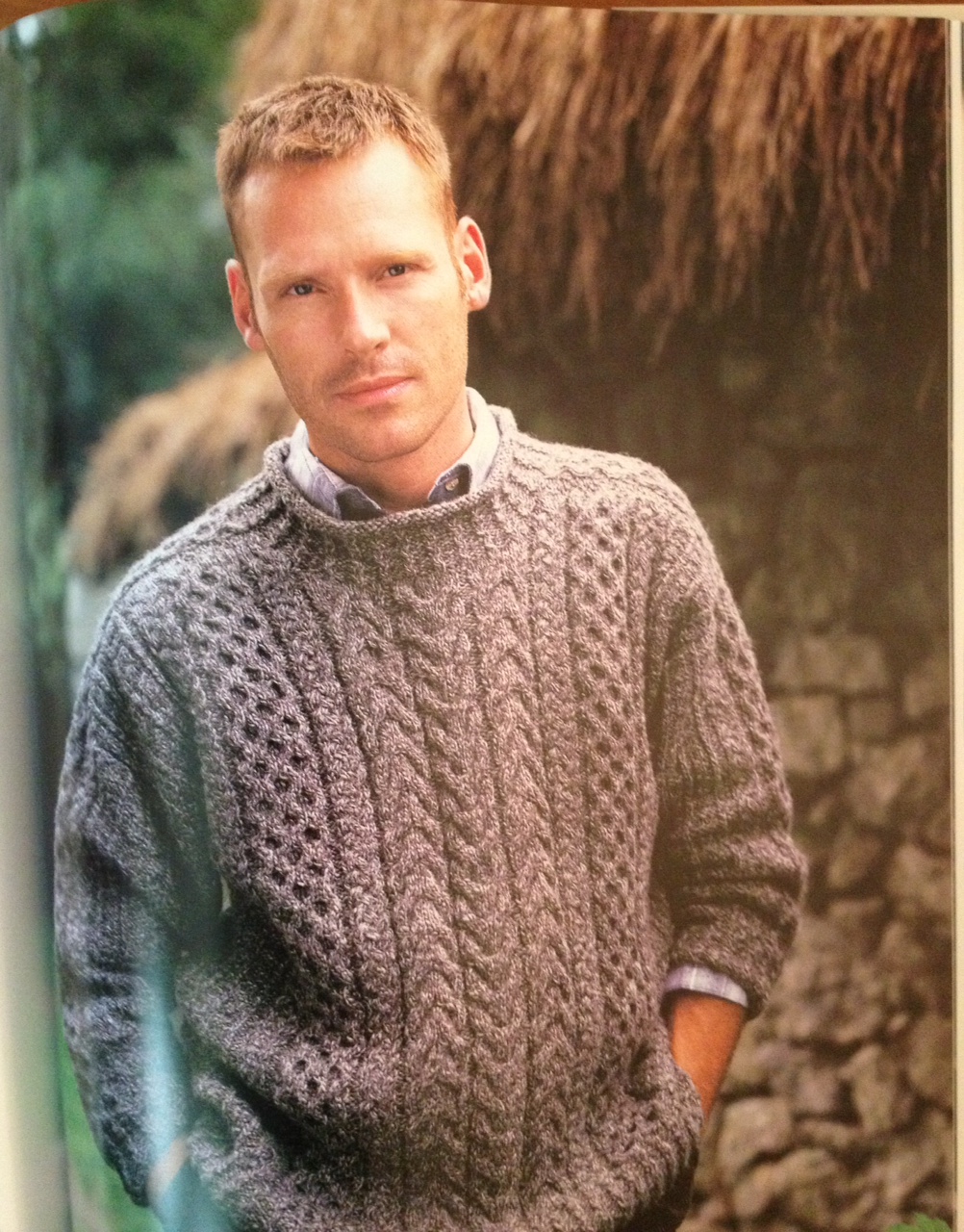
Man_AranAranKnitting

Today I went through the original Aran Knitting (hardcover, 1997) and the new and expanded edition Aran Knitting (trade soft cover, 2010). Most of the original sweaters were included in “new and expanded”. Some were recolored and rephotographed.  I really didn’t feel that the difference was really great in the update. I loved the red-haired model from the original book rather than the brunette used in the revised book, but that doesn’t really matter in terms of the sweaters.

The man’s sweater above is shown on the new book as the cover sweater on a woman. It was the one I’ve chosen to knit, even though I haven’t made much headway on the knitting.

The other sweaters (a few shawls and hats) are mainly classics that perfect for knitters who love cables. I was thinking that the two shawls (a bit heavy for shawl wearing) would be terrific as throws if they were made slightly wider. A few of the sweaters are a bit long with an ’80s vibe. That could be easily changed by a knitter with some skill in adaption.

My review of two sweaters in the expanded issue:

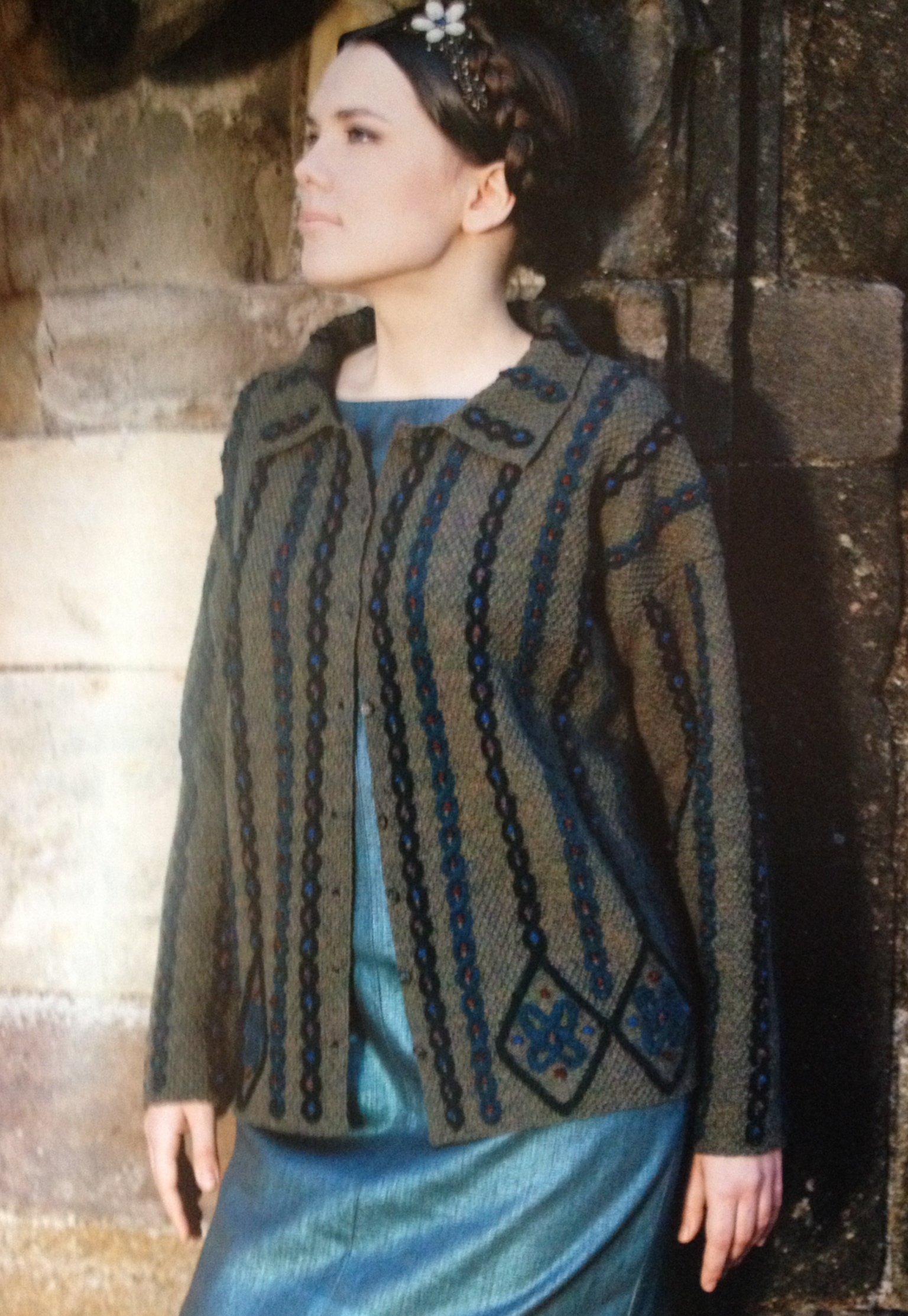
Boudicca’s Braid (Celtic Art based). I really don’t like this one. I would say “hate”, but that’s a pretty strong word. This cardigan doesn’t add much to the book that is until this sweater based on one-color beautiful designs.

Aran_colorwork


Eala Bhan (Alice designed this for herself). This is modern and beautiful. I do love this cardigan. It has very long instructions, but she says it’s not difficult to knit.

Aran_cardie

The final section is based on designing your own Aran sweater. I think it would be best used to help adjust a pattern, but for someone who wants to create a unique sweater. There is two pages that discuss blocking, seaming, making tassels and fringe and the care of wool garments. There is also “a word from your sponsor” with info on buying Alice Starmore Yarns. I do think this is really good for those who want to make the sweaters as they appear in the book.

Alice gives a web site – alicestarmore.com – which didn’t seem to go anywhere when I clicked on textiles. I also looked at virtualyarns.com where yarn, books and patterns by Alice can be obtained. This site seems good and up-to-date.

I give this book a thumbs up.

Worth keeping and having in my library. At this point I might keep both copies as I like the man’s version in the early book and the woman’s in the later version. One day I might have to choose and give up one or the other…..

Aran Cable Stitches

Aran_Cables

This book is going very slowly, but this week I feel like I made headway. I got through the text heavy  speculations on when Aran Knitting actually started. In the end in the final speculation Alice believes that the reality is that the first ’40s and ’50s – much later than anyone else dared to say. By the time I got through it, I’m not sure that I really care anymore. Aran Knitting is still interesting to many knitters – especially those who buy this book!

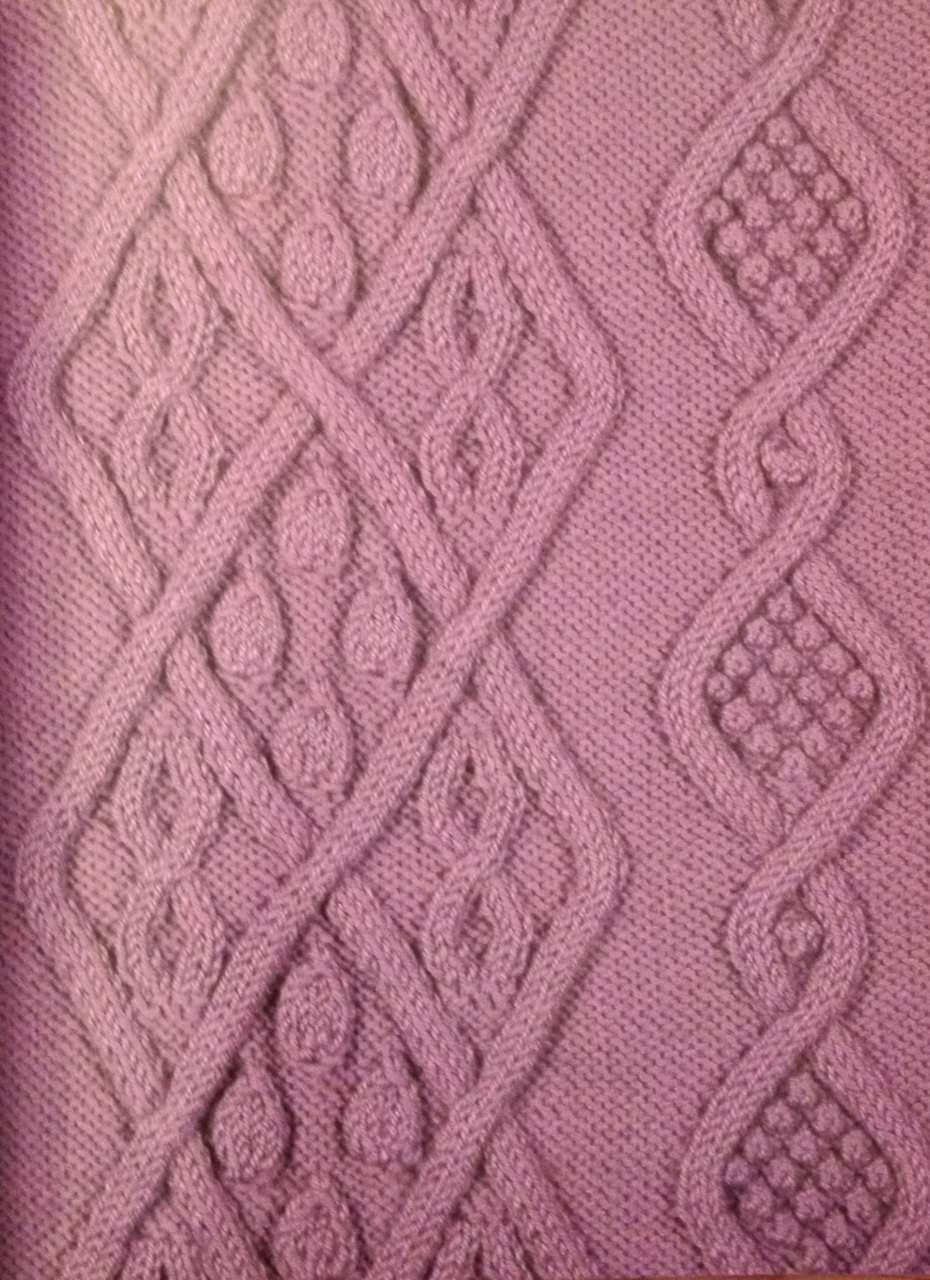
So from there I went on to Aran Patterns – Yeah! All the stitch pattern photos were knit in Alice Starmore Bainin (an Aran weight wool). It’s actually a really good yarn for the stitch pattern which appear crisp and stand out well from the reverse stockinette background. The light plum color photographed very well. Actually better than off-white and definitely better than a dark shade.

This is a meaty section – from page 52 through page 99. A great reference library for cable lovers.

I thought I knew lots about cables, but I did learn more than I thought I would from the book. For me, this is the most important factor in my own personal “keep or lose” in book reviews.

First, There is a good chart key, although the actual symbols are not ones that I see generally used in US publications. I give Alice good marks on including excellent illustrations/drawings of how to create various cables beginning with the simplest cable crossings.

Alice covers many cable variations from double cables to diamond shapes cable formations filled with bobbles, seed stitch, and twisted stitches. The honeycomb panels – I hate. The plaited cables – I love. The surprise was the openwork patterns.

What did I learn?

1) A problem I’ve often had is to figure out what row to actual make a cross. The drawing of “counting rows between cable crosses” shown from the back of the work makes so much sense. Why didn’t I ever think of that before?

2) A good tip – decrease stitches before binding off so that the bind off does flare out.

No, I’m not quite done with this book. In my next post I’ll talk about the designs shown in the book. I want to look at the original book to see if there are any new ones added. As we say in publishing – tk (to come)!


What is an Aran Sweater?

define_Aran

Great trip to UK. Not so great for my blogging. I feel a bit stuck in the Aran Knitting by Alice Starmore book. I know once I read Alice’s conclusion, she goes into Aran stitch patterns and then into actual sweater designs. The light at the end of the tunnel is coming…

I staggered through Alice’s conclusions on Construction and Style. The circular Scottish and/or British Gansey  was the beginning point for the final very commercial Aran Sweater (knit in flat pieces). Then she went on to how the patterns occurred. I’m not sure I completely understood the whole concept. Some of it came from designing sweaters and patterns that could be easily commercially executed. Some of the patterning came from ideas based on the original Gansey concept.

The best and most concise think I learned was how Alice defined the Aran Sweater.

1) Handknit garment of flat construction (in pieces)

2) Composed of of vertical panels of cabled patterns and texture stitches

3) Each piece of the sweater has a central panel flanked by textured patterns (usually somewhat mirror each other)

4) Made of heavy, undyed cream wool – not always

After that “Ah ha Moment”, I decided to stop for the moment. These pages are really text heavy – in small type I must say. I’m not sure that is a good thing. Not light reading!

The sweater above is a good example of a Classic Aran Sweater.


Aran Knitting – Take 2!

StEdna_man

OK – I really have been reading the background on Aran Knitting. It’s really hard to put it into words, but here’s what I’ve learned about the history of Aran Knitting.

Aran sweaters were not seen until the last 40’s and 50’s. Many of the myths for this knitting style were generated by Heinz Edgar Kiewe (1906-1986). Kiewe organized production of Aran sweaters based on a photo that was published in a book by Mary Thomas (no relation to me). Many of the sweaters were knit in the Western Isles of Scotland as there were not enough knitters in Ireland. So much for the Irish knit theory!

Alice Starmore believes that before her book called The Celtic Collection (1992), “celtic” cabling had not been seen in knitting.

Another myth debunked – Aran Sweaters are not traditional Fisherman’s garments. See my photo of the guys in the last blog post.

Here are a few books who offered history of Aran. These books were almost the only available books in the 80’s and 90’s when I was an editor. We thought of them as historical Bibles:

Patterns for Guernseys, Jerseys & Arans – Gladys Thompson (1955).
Important in development of Aran Knitting. By the way, Aran was not mentioned in the title until 1971 when published by US publisher.

The Complete Book of Traditional Aran Knitting – Shelagh Hollingworth (1982)

Traditional Knitting – Michael Pearson (1984)
Michael (who I met years ago) cast doubt on Kiewe’s theories.

A History of Handknitting – Richard Rutt (1987)
The English Mr. Rutt was also known as the knitting Bishop.
His theory is that the origins of Aran Knitting may have come from the US.

Irish Knitting – Rohanna Darlington (1991)
Rohanna also talks about the US Boston connection by an immigrant woman.

Basically what I could learn is that the fisherman gansey may have been the origin of what we know as the Irish knitting tradition.

In the next chapter, Alice travels to Dublin to the National Museum of Ireland and talks about 3 garments (photographed in the book) and gives her conclusions. That to come!

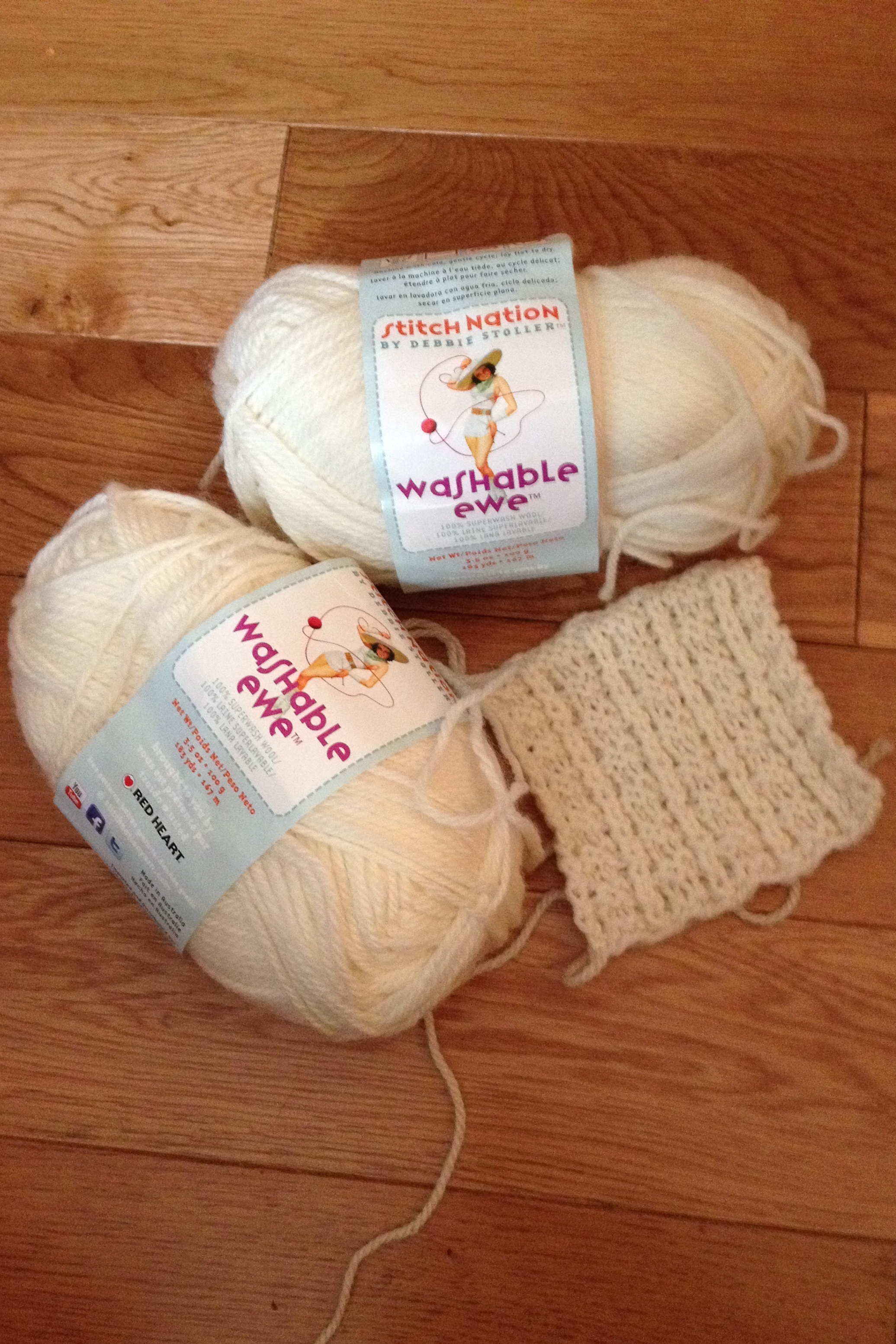
In the meantime, I’ve been swatting. Gauges for the Na Craga (woman) Washable_Ewe

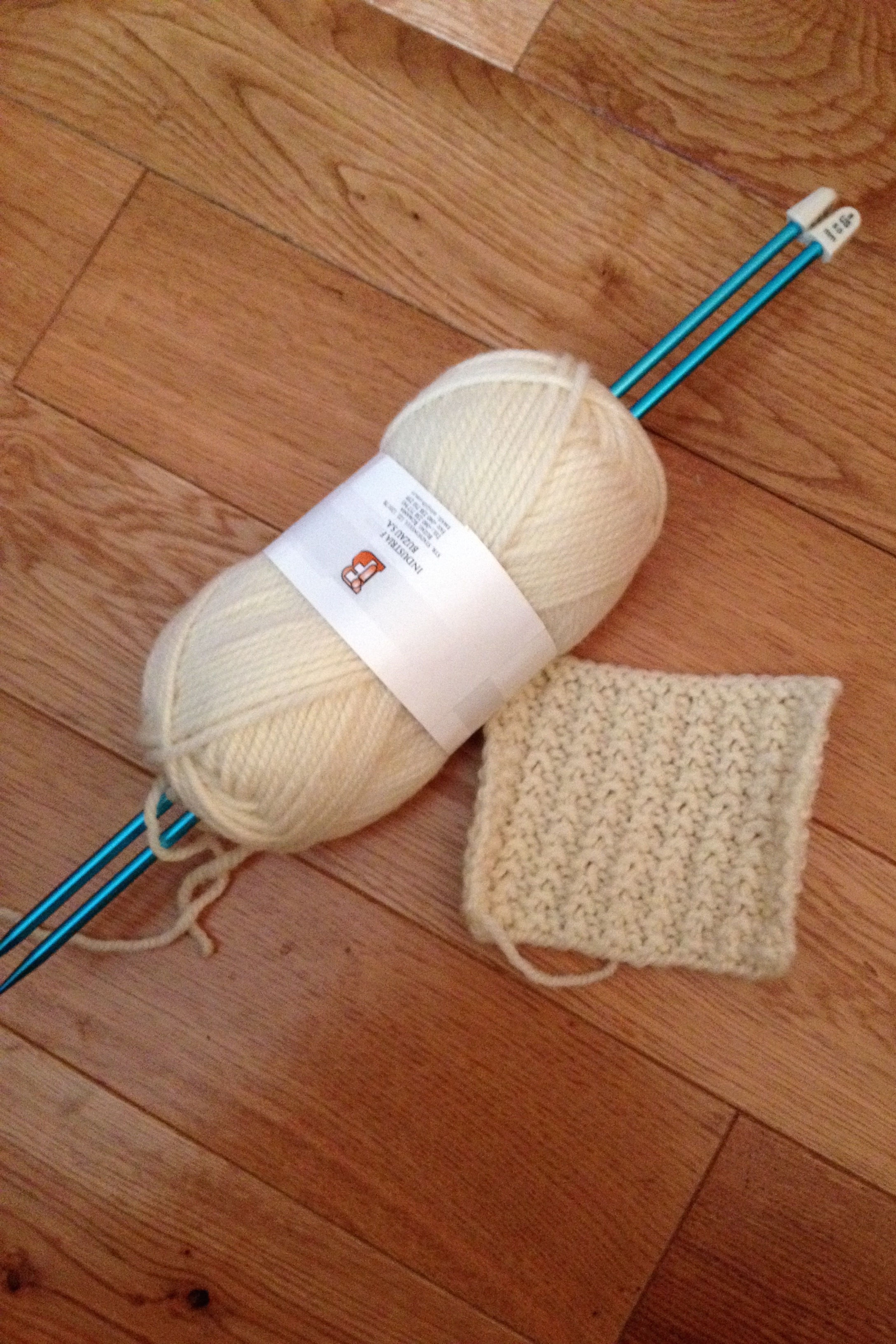
and St Edna (man) sweaters.
StEdna_swatch


A lot of knitting and ambitious projects!